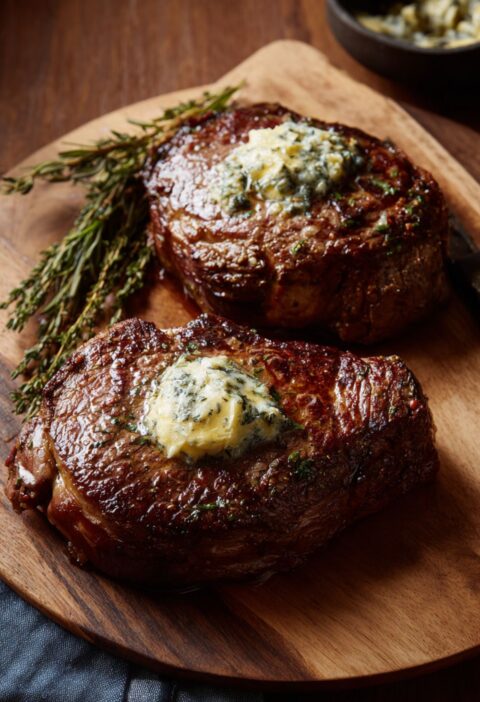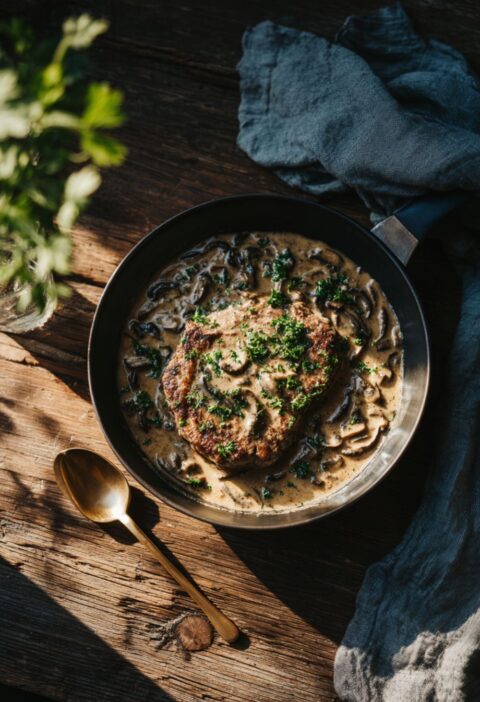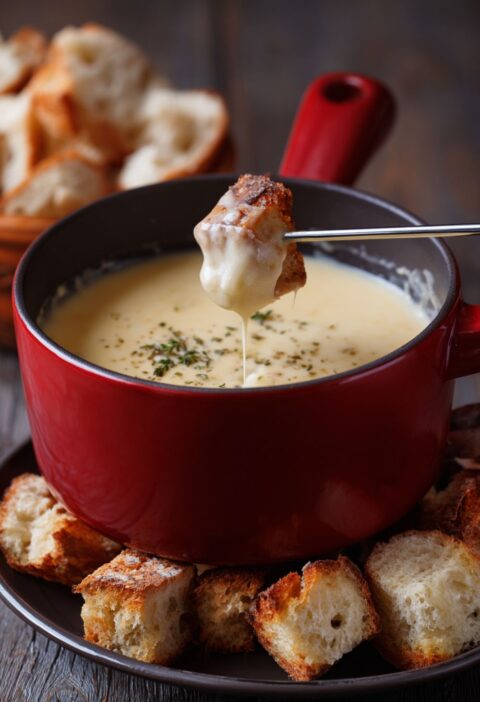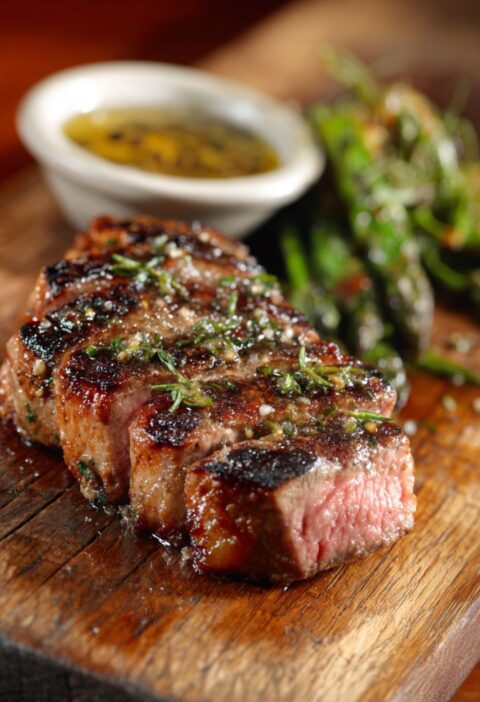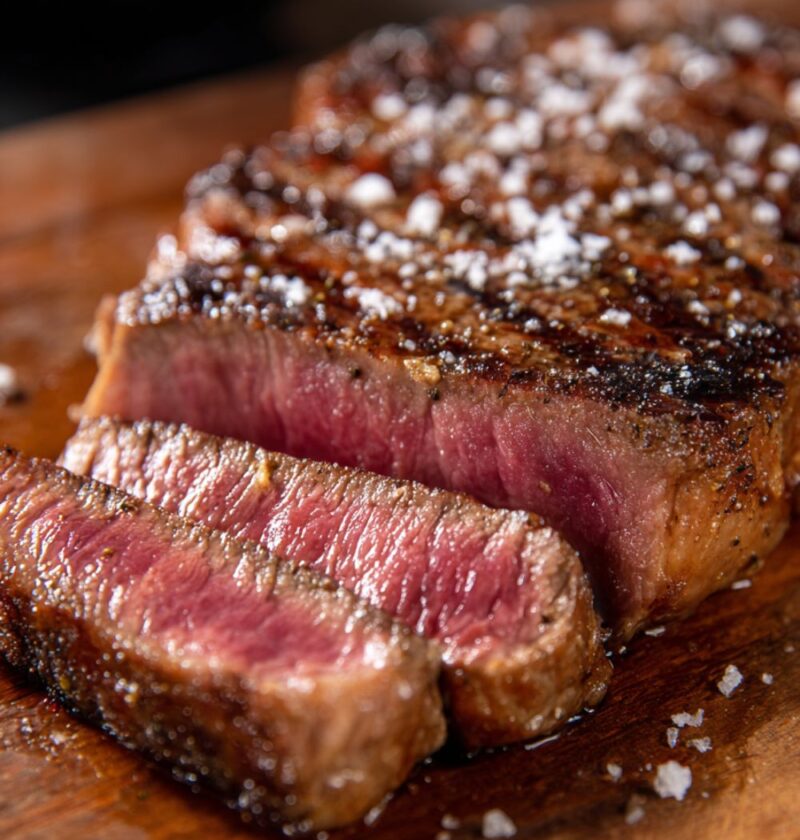
Gordon Ramsay Sirloin Steak recipe is a masterclass in how to cook the perfect steak at home. Gordon believes that you don’t need a fancy grill or sous-vide machine to achieve restaurant-quality results; you just need a heavy pan, some patience, and the “arroser” (basting) technique. By searing the meat at a high temperature and finishing it by basting with foaming butter, garlic, and herbs, you create a steak that has an incredible caramelized crust on the outside while remaining juicy and tender on the inside.
Try More Recipes:
- Gordon Ramsay Steak Au Poivre Recipe
- Gordon Ramsay Steak Diane Recipe
- Gordon Ramsay Cast Iron Steak Recipe
Why You Will Love Sirloin Steak Recipe:
- The Crust: The high heat and butter basting create the Maillard reaction, resulting in a deep, savory crust that is full of flavor.
- Simplicity: It requires very few ingredients—just quality meat, pantry staples like butter and garlic, and fresh herbs.
- Fast: The actual cooking time is under 10 minutes, making it a quick luxury meal.
- No Oven Needed: Unlike thicker cuts like ribeye which sometimes need reverse searing, a sirloin cooks perfectly entirely on the stovetop.
- The Butter Bath: The finishing step of spooning garlic-infused butter over the steak keeps it moist and adds a rich, nutty finish.
Gordon Ramsay Sirloin Steak Ingredients
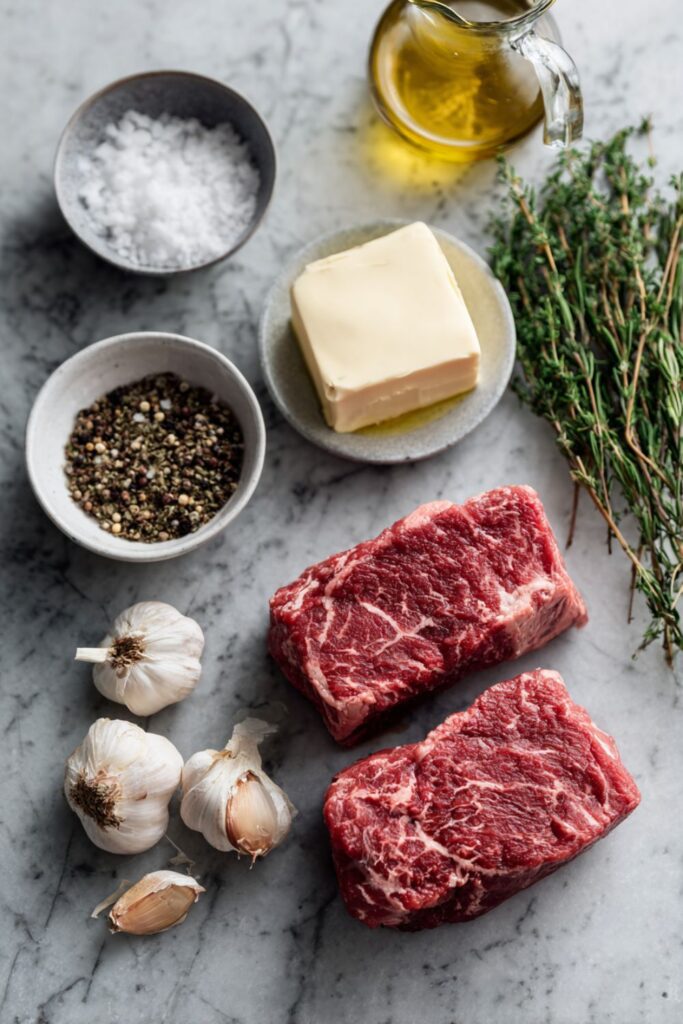
- 2 sirloin steaks (approx. 200g-250g each), at least 1 inch thick
- 2 tbsp olive oil or grapeseed oil (high smoke point oil)
- 3-4 cloves garlic, lightly crushed (skin left on)
- 3-4 sprigs fresh thyme and/or rosemary
- 50g unsalted butter
- Sea salt (generous amount)
- Freshly ground black pepper (coarse grind)
How To Make Gordon Ramsay Sirloin Steak
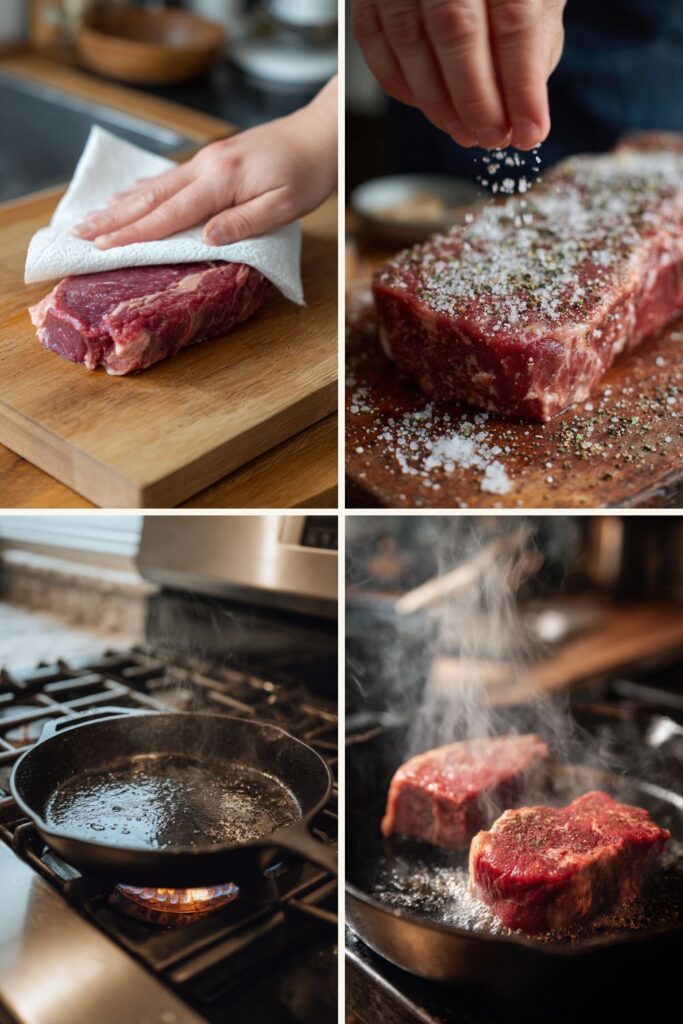
- Prep the Meat: Take the steaks out of the fridge at least 20 minutes before cooking. Cooking cold steak leads to uneven cooking and a grey ring. Pat them extremely dry with paper towels. Moisture is the enemy of a good sear.
- Season: Season the steaks generously with sea salt and coarse black pepper. Don’t be shy—season the top, bottom, and even the fat strip on the side. Rub the seasoning into the meat.
- Heat the Pan: Place a heavy-based frying pan (cast iron is best) over high heat. Add the oil and wait until it is smoking hot.
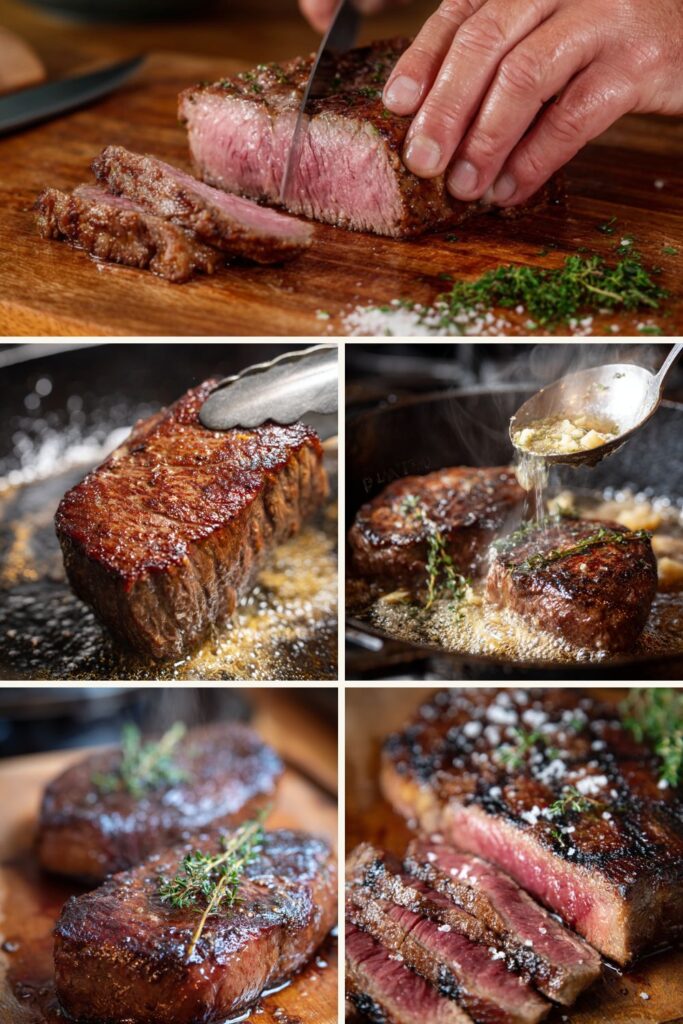
- Sear: Lay the steaks into the pan away from you to avoid splashing oil. Sear for 2 to 3 minutes without moving them. You want a deep golden-brown crust.
- Render the Fat: Using tongs, lift the steaks and hold them vertically, pressing the fat strip against the hot pan to render it down and crisp it up.
- Flip and Baste: Flip the steaks. Cook for another 2 minutes. Then, add the crushed garlic, herb sprigs, and butter to the pan.
- The Arroser: As the butter melts and foams, tilt the pan slightly. Use a large spoon to continuously scoop the hot, foaming garlic butter over the steaks. This cooks the steak gently and infuses it with flavor.
- Check Doneness: Cook for another 1 to 2 minutes while basting until it reaches your desired doneness (Medium-Rare is recommended).
- Touch Test: Rare feels like your cheek (soft). Medium-rare feels like your chin (slight resistance).
- Rest: Remove the steaks from the pan and place them on a board or warm plate. Pour the remaining pan juices over them. Let them rest for 5 to 7 minutes. This allows the fibers to relax and reabsorb the juices.
- Serve: Slice against the grain (if serving sliced) or serve whole.
Recipe Tips
- The Garlic Trick: Leave the skin on the garlic cloves when you crush them. This protects the garlic from burning in the hot fat while still releasing its flavor.
- Don’t Overcrowd: If your pan is small, cook one steak at a time. Crowding the pan drops the temperature, causing the meat to boil in its own juices rather than sear.
- Resting is Vital: If you cut into the steak immediately, all the juices will run out onto the plate, leaving you with dry meat. Resting is as important as cooking.
- Oil the Meat, Not the Pan: Gordon sometimes recommends rubbing the oil onto the steak rather than the pan to ensure even coverage and less smoke.
What To Serve With Sirloin Steak?
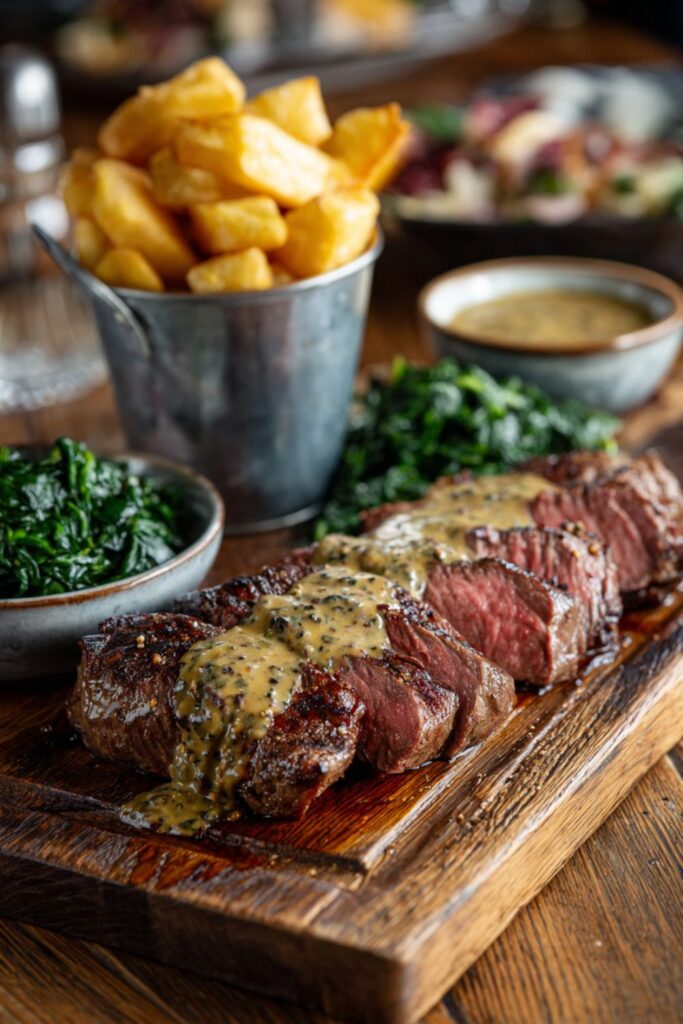
To mimic a classic steakhouse dinner, serve this steak with Chunky Chips (Steak Fries) or Creamy Mashed Potatoes. For a vegetable side, Garlic Sautéed Spinach or Glazed Carrots work beautifully. If you want a sauce, a classic Peppercorn Sauce or Béarnaise Sauce is the traditional choice to cut through the richness of the beef.
How To Store Leftovers Sirloin Steak?
- Refrigerate: Store leftover steak in an airtight container for up to 3 days.
- Freeze: It is best not to freeze cooked steak as the texture suffers, but if necessary, wrap tightly and freeze for up to 2 months.
How To Reheat Leftovers Sirloin Steak?
- Low and Slow: Do not microwave. Place the steak in a low oven 120°C (250°F) until warmed through. Then, quickly sear it in a hot pan for 30 seconds to re-crisp the crust.
- Cold: Leftover sirloin is fantastic eaten cold, sliced thinly into salads or sandwiches.
FAQs
For precision, use a meat thermometer. Medium-rare is 54°C (130°F) internal temperature. Remember the temp will rise slightly while resting.
You added it too early or the heat was too extreme. Add the butter only in the last 2 minutes of cooking. If it turns black instantly, turn the heat down slightly before adding.
Yes, but be careful with your initial seasoning. Unsalted butter gives you more control over the final saltiness for your Sirloin Steak.
More Recipes:
Sirloin Steak Nutrition Facts
Serving Size: 1 steak (approx 225g)
- Calories: 580 kcal
- Total Fat: 40g
- Saturated Fat: 18g
- Cholesterol: 190mg
- Sodium: 450mg
- Total Carbohydrate: 1g
- Dietary Fiber: 0g
- Sugars: 0g
- Protein: 52g
Gordon Ramsay’s Sirloin Steak
Course: Dinners, Lunch, MainCuisine: American, British, FrenchDifficulty: Easy2
servings5
minutes8
minutes580
kcalGordon Ramsay Sirloin Steak recipe is a masterclass in how to cook the perfect steak at home. Gordon believes that you don’t need a fancy grill or sous-vide machine to achieve restaurant-quality results; you just need a heavy pan, some patience, and the “arroser” (basting) technique. By searing the meat at a high temperature and finishing it by basting with foaming butter, garlic, and herbs, you create a steak that has an incredible caramelized crust on the outside while remaining juicy and tender on the inside.
Ingredients
2 sirloin steaks (approx. 200g-250g each), at least 1 inch thick
2 tbsp olive oil or grapeseed oil (high smoke point oil)
3-4 cloves garlic, lightly crushed (skin left on)
3-4 sprigs fresh thyme and/or rosemary
50g unsalted butter
Sea salt (generous amount)
Freshly ground black pepper (coarse grind)
Directions
- Prep the Meat: Take the steaks out of the fridge at least 20 minutes before cooking. Cooking cold steak leads to uneven cooking and a grey ring. Pat them extremely dry with paper towels. Moisture is the enemy of a good sear.
- Season: Season the steaks generously with sea salt and coarse black pepper. Don’t be shy—season the top, bottom, and even the fat strip on the side. Rub the seasoning into the meat.
- Heat the Pan: Place a heavy-based frying pan (cast iron is best) over high heat. Add the oil and wait until it is smoking hot.
- Sear: Lay the steaks into the pan away from you to avoid splashing oil. Sear for 2 to 3 minutes without moving them. You want a deep golden-brown crust.
- Render the Fat: Using tongs, lift the steaks and hold them vertically, pressing the fat strip against the hot pan to render it down and crisp it up.
- Flip and Baste: Flip the steaks. Cook for another 2 minutes. Then, add the crushed garlic, herb sprigs, and butter to the pan. The Arroser: As the butter melts and foams, tilt the pan slightly. Use a large spoon to continuously scoop the hot, foaming garlic butter over the steaks. This cooks the steak gently and infuses it with flavor.
- Check Doneness: Cook for another 1 to 2 minutes while basting until it reaches your desired doneness (Medium-Rare is recommended). Touch Test: Rare feels like your cheek (soft). Medium-rare feels like your chin (slight resistance).
- Rest: Remove the steaks from the pan and place them on a board or warm plate. Pour the remaining pan juices over them. Let them rest for 5 to 7 minutes. This allows the fibers to relax and reabsorb the juices.
- Serve: Slice against the grain (if serving sliced) or serve whole.
Notes
- The Garlic Trick: Leave the skin on the garlic cloves when you crush them. This protects the garlic from burning in the hot fat while still releasing its flavor.
Don’t Overcrowd: If your pan is small, cook one steak at a time. Crowding the pan drops the temperature, causing the meat to boil in its own juices rather than sear.
Resting is Vital: If you cut into the steak immediately, all the juices will run out onto the plate, leaving you with dry meat. Resting is as important as cooking.
Oil the Meat, Not the Pan: Gordon sometimes recommends rubbing the oil onto the steak rather than the pan to ensure even coverage and less smoke.