Gordon Ramsay’s beans and potato cakes pair homemade spicy baked beans, simmered with pancetta, chilli and passata, with potato cakes fried crisp and fluffy. The whole plate takes about 50 minutes.
It comes from his Home-Made Baked Beans with Potato Cakes in Ultimate Home Cooking, which he also cooks on his YouTube channel. The whole dish turns on one thing, that the beans are homemade and never tinned. Shop-bought beans taste bland to him, so he makes his own for “a better balance of sweetness and acidity”, then adds chilli and pancetta.
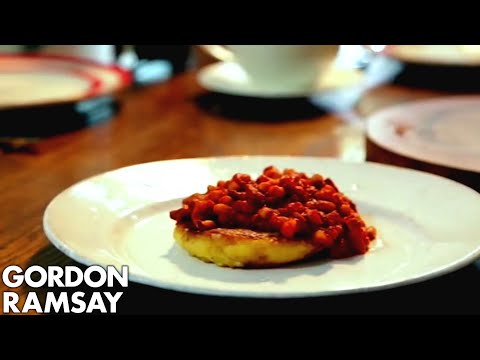
The potato cakes matter as much as the beans, and they are a clever way to use up leftover boiled potato. It’s the frying that makes them, though: Gordon starts them in olive oil, then drops butter around the edge of the pan. By the time it reaches the centre it has turned nut-brown, crisping the outside with a nutty flavour.
Cooked this recipe? Send a photo or tell me what you changed at fans@gordonramsayrecipes.uk and I’ll share your experience live on this page.
Gordon Ramsay Beans and Potato Cakes
Course: Breakfast, BrunchCuisine: BritishDifficulty: Easy4
servings20
minutes30
minutes420
kcal50 minutes
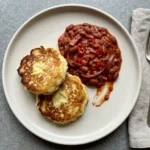
Gordon Ramsay’s homemade spicy baked beans with potato cakes, from Ultimate Home Cooking. Haricot beans simmered in a smoky passata sauce with pancetta and chilli, served with soft potato cakes fried golden in butter. A proper grown-up breakfast.
Ingredients
- For the spicy baked beans
Olive oil, for frying
100g (3½ oz) pancetta lardons
1 red chilli, finely sliced (seeds in for more heat)
2 garlic cloves, peeled and finely chopped
1 red onion, peeled and finely diced
1 tbsp light muscovado sugar (or light brown sugar)
2 tbsp cider vinegar
Worcestershire sauce, to taste
500ml (2 cups) smooth tomato passata (strained tomatoes)
2 x 400g (15 oz) tins haricot (navy) beans, drained (or cannellini)
Sea salt and freshly ground black pepper
- For the potato cakes
500g (about 1 lb) potatoes, peeled and boiled until tender
50g (3½ tbsp) butter, plus extra for frying
4-5 tbsp plain flour (all-purpose), plus extra for dusting
Olive oil, for frying
Directions
- Start the beans: Heat a dash of olive oil and fry the pancetta with a little pepper and the chilli until cooked but not crisp, then add the garlic for 2 minutes, followed by the onion until soft, about 5 minutes.
- Build the sauce: Stir in half the muscovado sugar, then the cider vinegar, and boil for 1 minute before adding Worcestershire sauce to taste, the passata and the rest of the sugar. Season and simmer for 4 to 5 minutes.
- Add the beans: Tip in the haricot beans and simmer for 5 to 10 minutes, until the sauce is thick and the beans soft, then taste and adjust with more vinegar or Worcestershire.
- Make the potato cakes: Mash the boiled potatoes until smooth, then mix in the butter and 4 tablespoons of flour with salt and pepper, to a soft dough, adding a little more flour if needed.
- Shape and chill: Roll the dough into balls a bit bigger than a golf ball, flatten into cakes about 1cm thick, and chill for 20 minutes.
- Fry: Heat olive oil in a pan, add the cakes, then drop butter around the edge so it turns nut-brown as it spreads to the centre, frying until golden and crisp on both sides before draining on kitchen paper.
- Serve: Put a potato cake on each plate with a generous spoon of the spicy beans alongside.
Notes
- Start the potato cakes in olive oil, then drop butter around the edge. By the time it reaches the centre it has turned nut-brown and crisps the outside.
FAQs
Why make your own baked beans instead of using a tin?
A tin is one-note, which is exactly why Gordon makes his own. Shop-bought beans taste bland to him, so he aims for a better balance of sweetness and acidity that suits grown-up tastes.
That balance comes from the sauce, which starts with passata, muscovado sugar and cider vinegar you can tip sweeter or sharper. The pancetta and chilli then layer in a smoky, spicy depth no tin will give you.
What beans does Gordon use?
He uses haricot beans, the same small white beans you find inside a classic tin. Here they simmer in that spicy sauce until soft, soaking it all up, though cannellini work just as well.
In the video he points out you can buy them dried or canned, and either way they are packed with protein. The drained canned ones are simply the quick route, and they are what the recipe leans on.
How do you get the potato cakes crisp and not soggy?
It comes down to the frying, which is why Gordon heats the olive oil first, then drops butter around the edge. As it creeps to the middle it turns nut-brown, crisping the outside as it browns.
Before any of that, chilling the shaped cakes for 20 minutes helps them hold together. Fry them gently and turn only once, so a crust sets, the same butter trick behind Ramsay’s smashed potatoes.
Can you make beans and potato cakes ahead?
You can, and the beans reward you for it, because the passata sauce deepens overnight. Make them a day ahead and reheat gently, and they sit happily in the fridge for three to four days.
The potato cakes are a different story, so shape them ahead if you like, but keep them chilled and raw. Fry them fresh, since they lose the crispness once they have cooled, and they suit any spare mash much like Ramsay’s twice-baked potatoes.
What do you serve with beans and potato cakes?
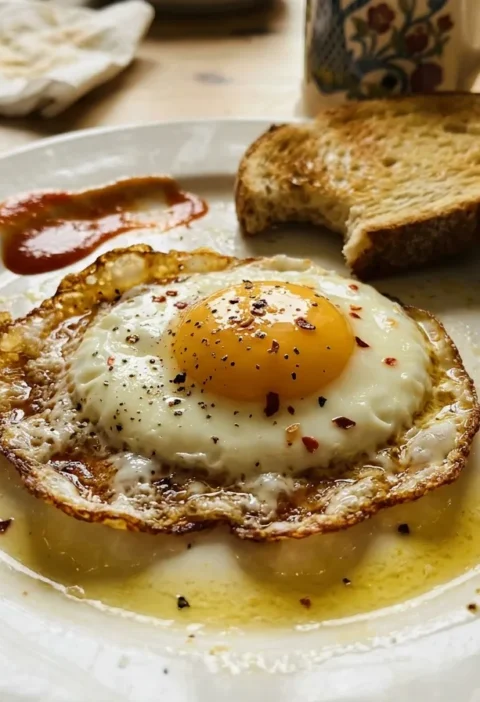
Gordon plates this as a breakfast or brunch in its own right, the beans spooned alongside a potato cake. From there, a fried egg on top turns it into something more filling.
If you would rather have it as a light supper, it takes well to wilted greens or a few rashers of bacon. Those only echo the pancetta already running through the beans.
Is this just a posh beans on toast?
In a way, yes, and Gordon says as much, because he ties the dish back to childhood beans on toast. Only here the toast becomes a fried potato cake, and the tin becomes those homemade spicy beans.
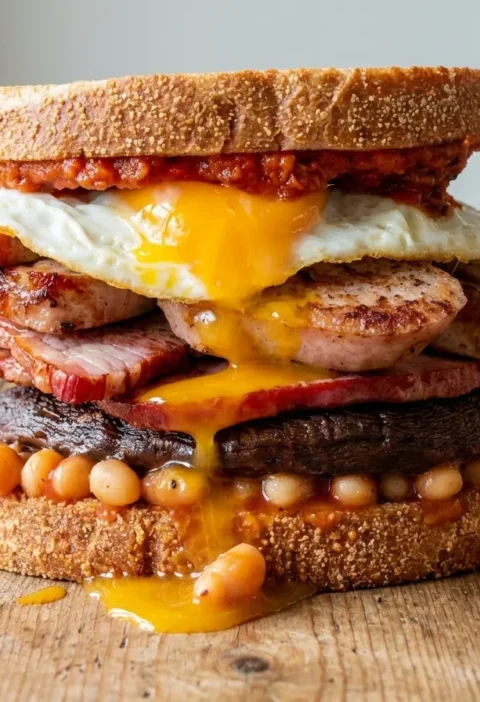
So you keep all the comfort of the original while gaining texture and a smoky, spicy kick. It earns its place among his other weekend breakfasts, like the breakfast sandwich.