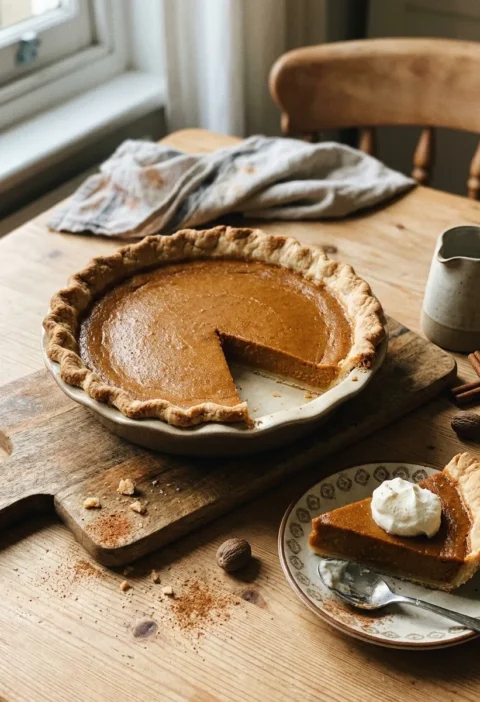
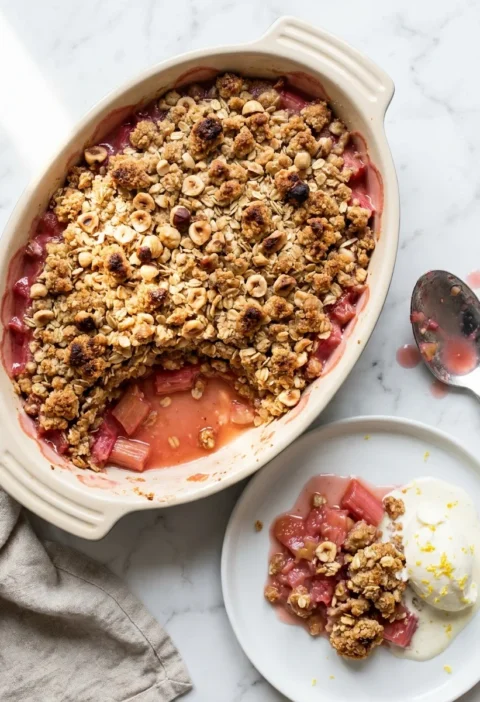
Gordon Ramsay plum tarts are his tarte tatin idea shrunk down to four individual tins. Sliced red plums caramelise in butter and sugar on the hob, then a pastry round goes over the top and bakes. You turn them out onto plates to serve.
The recipe is from A Chef for All Seasons, page 208. He says it takes him back to his catering student days in Oxford, and the ingredients list is short: plums, butter, sugar, cloves and pastry.
He is direct about one thing. Simple ingredients, but the method has to be followed carefully. The step most people would skip is the one that makes it work.
Cooked this recipe? Send a photo or tell me what you changed at fans@gordonramsayrecipes.uk and I’ll share your experience live on this page.

Gordon Ramsay Plum Tarts (Tarte Tatin Style)
Course: DessertCuisine: FrenchDifficulty: Medium4
servings30
minutes25
minutes640
kcal20
minutes1 hr 15 min
From A Chef for All Seasons, four individual upside-down tarts where red plums caramelise in butter and sugar on the hob, each with a whole clove pressed into the centre, before the pastry goes on and bakes.
Ingredients
- For the pastry:
100g unsalted butter, softened (7 tbsp)
70g caster sugar (⅓ cup superfine sugar)
1 vanilla pod
1 medium free-range egg, beaten
200g plain flour (1⅔ cups all-purpose flour), sifted with a large pinch of fine sea salt
- For the tarts:
12 large red plums
50g unsalted butter (3½ tbsp)
80g caster sugar (⅓ cup + 1 tbsp superfine sugar)
4 whole cloves
Directions
- Make the pastry: Beat the butter and sugar until smooth and creamy. Split the vanilla pod, scrape the seeds in, then work in the beaten egg and flour alternately until the dough comes together. Knead lightly, wrap in cling film and chill for about 20 minutes.
- Cut the rounds: Roll the dough out to 5mm (a scant ¼ in) thick. Cut four rounds of 12cm (4¾ in), re-rolling if you need to. Prick the centres lightly and set aside.
- Prepare the plums and tins: Halve the plums, remove the stones and cut each half into four slices. Smear the butter over the bottom of four 10cm (4 in) tartlet tins with solid bases. Sprinkle 20g of sugar into each. Heat the oven to 190°C (375°F), Gas 5.
- Fill the tins: Press the plum slices into the butter and sugar, then push a whole clove into the centre of the fruit in each tin.
- Caramelise on the hob: Sit the tins in a large frying pan and set it over a steady heat. The butter and sugar will melt and start to caramelise. Tilt and roll the frying pan so the tins shift a little and the browning evens out.
- Pour off the juice: After a few minutes the plums will start to weep. Wrap your fingers in a cloth, lift each tin and tip the juice out. Keep going until the plums look lightly caramelised, then take the pan off the heat and let it cool a little.
- Top with pastry: Lay a pastry round over each tin and tuck the edges down inside the rim. Prick the tops once or twice.
- Bake: Bake for 12 to 15 minutes until the pastry is golden brown and crisp, then remove and cool.
- Turn out: Sit a dessert plate over each tin and carefully upend it. Serve with cream, mascarpone or crème fraîche.
Notes
- Ramsay specifies tartlet tins with solid bases rather than loose ones, about 10cm across, and says Yorkshire pudding tins will do. The pastry is his rich sweet pastry from page 153, the same one used for the pear and frangipane flan. Calories are calculated from the ingredients, assuming most of the pastry gets used after trimmings, since the book gives none.
FAQs
Why tip the juice out halfway through?
Plums hold a lot of water. It starts seeping into the pan within a few minutes over the heat. That liquid dilutes the caramel until the fruit stews rather than browns.
Ramsay’s answer is to wrap your fingers in a cloth, lift each tin and pour the juice away. Drier plums caramelise harder. This is the step that separates his version from a tray of soft baked fruit.
How hot should the hob be?
Medium, and steady. High heat scorches the sugar at the tin edges before the middle colours. The tins are small enough that it happens fast.
Listen rather than watch, because you want a low steady sizzle and not spitting. Ramsay uses the same hob-first approach on The F Word. Straight into the oven, he says, just boils the fruit instead of colouring it.
How do you know when the plums are caramelised enough?
The sugar under the fruit turns from clear syrup to a proper amber, and the slices go glossy and slightly slumped at the edges. Lift a tin and look underneath: the base should be brown, not blond.
Ramsay says lightly caramelised, and light is the word. Push it further and the sugar goes bitter, which you cannot fix once the pastry is on and it has gone into the oven.
How do you turn them out without losing the caramel?
Let them cool a few minutes first, but do not let them go cold. Warm caramel releases, set caramel glues the fruit to the tin.
Run a small knife around the inside edge and sit the plate on top. Turn it over in one movement rather than tipping slowly. If a tart sticks, put the tin back over a low heat for twenty seconds and try again.
Is this a tarte tatin?
Not quite, though it borrows the idea. A tatin is one large tart where the fruit caramelises in the same pan the pastry later covers. These are four separate tarts, each in its own tin.
If a proper tatin is what you’re after, he has three. The pear tarte tatin is closest in spirit, the apple tarte tatin is the classic, and the banana version is the outlier.
What tins do you need?
Tartlet tins about 10cm across, and he is specific that they need solid bases rather than loose ones. Loose bases leak caramel straight into the frying pan.
Yorkshire pudding tins work, which he mentions himself. Whatever you use has to survive direct heat on the hob, so nothing with a plastic handle or a coating you care about.
Why one whole clove per tart?
A single clove goes into the middle of the fruit in each tin. Its flavour spreads outward through the plums as they cook, rather than sitting on one slice.
Ground cloves would be too strong and impossible to remove. A whole one gives the perfume without the harshness, and anyone who dislikes it can lift theirs out once the tart is turned over.
Which plums should you use?
Red plums, twelve large ones, halved and each half cut into four slices. That works out at three plums per tart, which fills a 10cm tin properly.
Ripe but firm is what you want. Overripe plums collapse into the caramel and release even more juice. More pouring off to do, and less structure left when you turn the tart out.