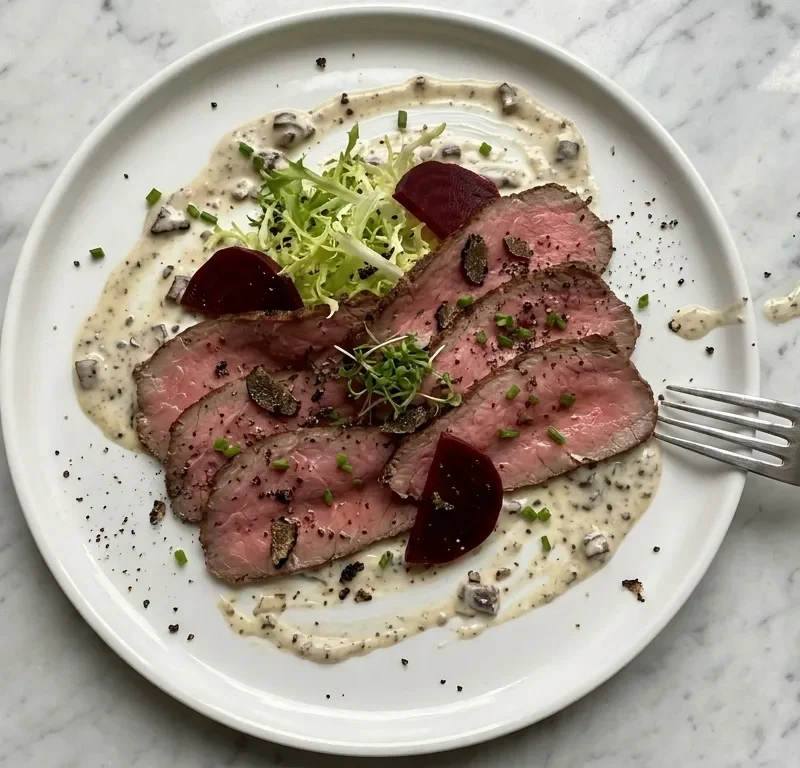
Gordon Ramsay’s beef carpaccio is 600g of rib eye flash-roasted at 200°C for 15 to 20 minutes, chilled for at least 2 hours, then sliced paper thin over a truffle and mushroom crème fraîche dressing. It serves four as a starter, and most of the time is the fridge doing the work.
The recipe is from his Bread Street Kitchen book, where it’s the beef course in a trio of carpaccios. He writes: “Carpaccio of roast beef makes a really stylish starter, especially if it’s garnished with shavings of black truffle – the ultimate foodie luxury.” It’s also on the menu at the Bread Street Kitchen restaurant itself, with pickled artichokes alongside.
What makes his version different is in the name: ROAST beef carpaccio. Instead of serving the beef raw like the Venetian original, he roasts the joint just until the centre hits 36°C, barely body temperature, which sets the surface and deepens the flavour while the inside stays essentially rare. Chilled hard afterwards, it slices thinner and cleaner than raw meat ever could.
Cooked this recipe? Send a photo or tell me what you changed at fans@gordonramsayrecipes.uk and I’ll share your experience live on this page.
Gordon Ramsay’s Roast Beef Carpaccio with Truffle Dressing
Course: AppetizersCuisine: ItalianDifficulty: Medium4
20
minutes20
minutes400
kcal2 hr 40 min
A Bread Street Kitchen starter of rib eye roasted to just 36°C inside, chilled and shaved into thin slices over a crème fraîche dressing flecked with sautéed mushrooms, truffle oil, and sherry vinegar.
Ingredients
- For the beef:
600g beef rib eye
Drizzle of vegetable oil
50g frisée lettuce
2 tbsp snipped fresh chives
2 small cooked beetroot, thinly sliced, to serve (optional)
Celery cress or mustard cress, to serve
1 medium fresh black truffle (optional)
Sea salt and freshly ground black pepper
- For the truffle dressing:
10g butter
20g trompette mushrooms (or chestnut mushrooms), roughly chopped
100g crème fraîche
2 tbsp olive oil
1 tsp truffle oil
1 tsp sherry vinegar
Directions
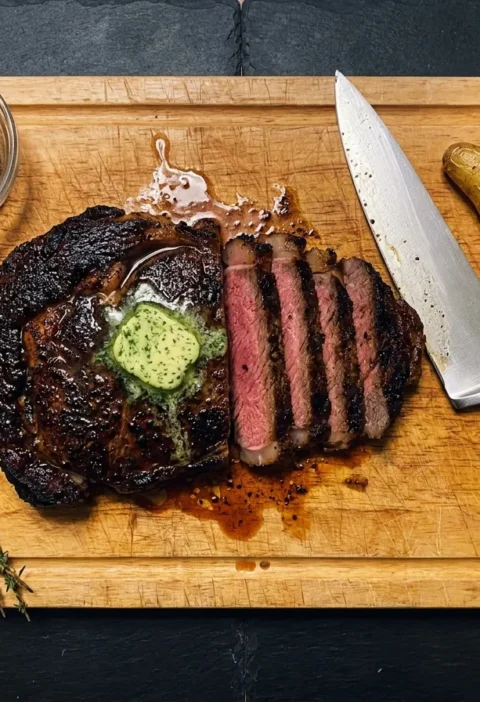
- Roast the beef: Preheat the oven to 200°C (180°C fan/Gas 6). Put the joint into a roasting tray, brush all over with a little oil and season well with salt and pepper, then roast for 15 to 20 minutes, until it reaches an internal temperature of 36°C.
- Chill: Transfer the joint to a sealable container and set aside to cool. Once cool, cover with the lid and chill in the fridge for at least 2 hours, until cold, or up to 12 hours.
- Cook the mushrooms: Melt the butter in a small frying pan, add the mushrooms and sauté over a medium heat for 1 minute. Set aside to cool.
- Make the dressing: Once cold, finely chop the mushrooms and place in a bowl. Add the crème fraîche, olive oil, truffle oil, and sherry vinegar and whisk until combined. Season to taste.
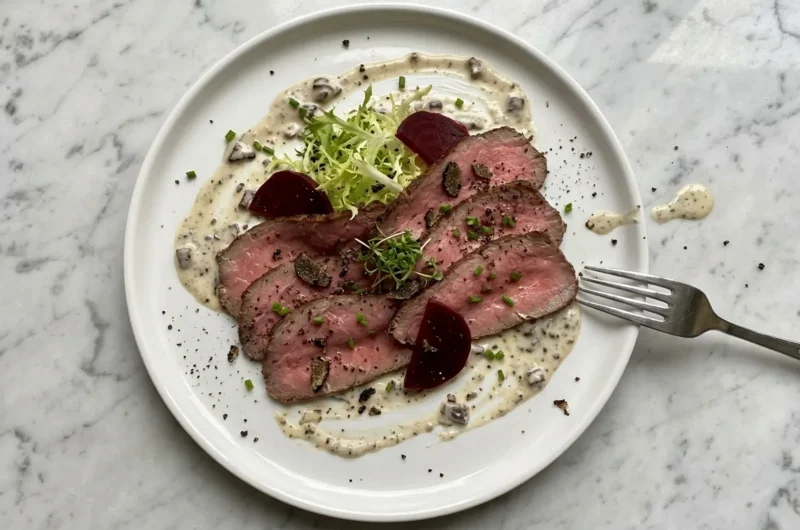
- Plate: Smear the dressing onto four serving plates. Slice the chilled beef as thinly as possible with a very sharp knife and lay the slices on top, about four or five pieces per serving.
- Garnish: Finish with the frisée, chives, beetroot, and cress, plus shavings of black truffle if using, and a grind of pepper.
FAQs
Is Gordon Ramsay’s beef carpaccio raw?
Not quite, and that’s the clever part. Classic carpaccio is completely raw, but his version roasts the rib eye until the very centre reaches 36°C, which is below body temperature, so the meat is technically cooked on the surface and barely warmed within. The hot oven sets the outside and adds roasted depth that raw beef doesn’t have.
It also makes the dish friendlier for guests who hesitate at raw meat, since every slice carries a seared edge. If properly raw beef is what you’re after, his beef tartare recipe is the dish built for it, hand-diced rather than sliced.
Why does Ramsay use rib eye for carpaccio?
Most carpaccio recipes default to fillet, but his Bread Street Kitchen version deliberately uses rib eye, because the marbling that melts in a hot pan reads as flavour even when the meat is served cold and thin. A 600g rib eye also costs noticeably less than the same weight of fillet, which matters for a starter feeding four from a single joint.
Slicing is where the money saved gets spent in effort: the beef must be properly cold and the knife genuinely sharp, with four or five thin pieces per plate being plenty. If you’d rather see what fillet does roasted whole, his beef fillet recipe is the same speed of cooking pointed at the opposite cut.
What is the truffle dressing made of?
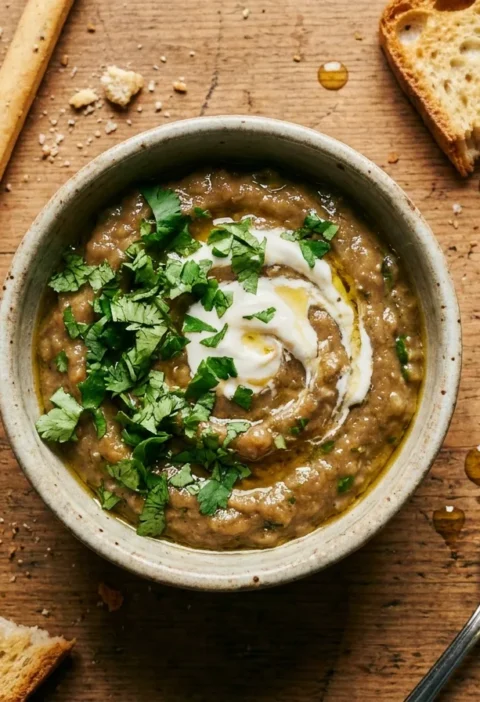
Sautéed trompette mushrooms chopped fine and whisked into crème fraîche with olive oil, a teaspoon of truffle oil, and a teaspoon of sherry vinegar. Chestnut mushrooms substitute fine, and the single minute in butter is deliberate, just enough to cook them while keeping their texture for the dressing.
The plating order is the restaurant detail most people miss: the dressing gets smeared onto the plates FIRST, with the beef laid over it. Every slice picks up dressing from underneath without drowning the meat, which is exactly how it leaves the pass at Bread Street Kitchen.
Can you make beef carpaccio ahead?
It’s practically designed for it. The book says the whole dish can be made the day before and kept in the fridge, then taken out 30 minutes before serving so the beef and dressing lose their fridge chill. The 2 to 12 hour chilling window means you can roast the beef in the morning for dinner that night.
He even suggests the shortcut route: leftover roast beef works, so the rare end of his roast beef recipe becomes tomorrow’s starter. Paired with something like his prawn cocktail recipe, you’ve got a two-starter dinner party where everything was done the day before.
What other carpaccios does Ramsay make?
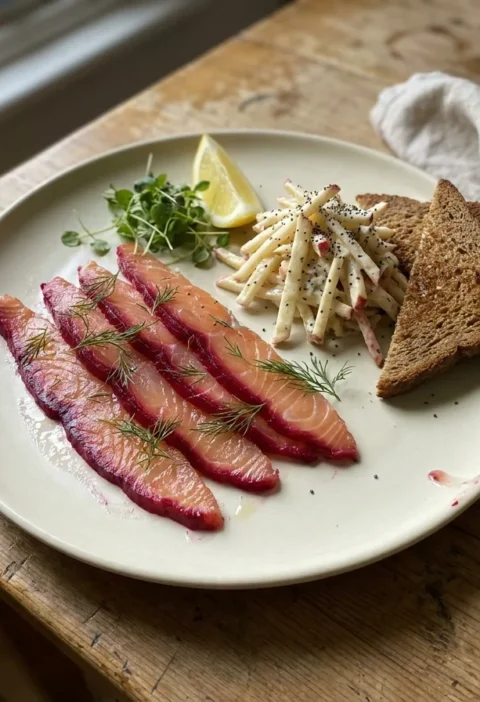
The Bread Street Kitchen book treats carpaccio as a technique, not a beef dish, and runs it three ways. Before the beef there’s a stone bass carpaccio, sliced raw and finely, where he notes any firm white fish works as long as it’s spanking fresh and used the day you buy it. And the dessert chapter answers with a pineapple carpaccio with coconut sorbet, the same paper-thin slicing applied to fruit.
The storage tip from the beef version is worth keeping either way: unsliced roast beef holds in an airtight container for up to 3 days, destined for sandwiches, salads, or a cold meat platter.