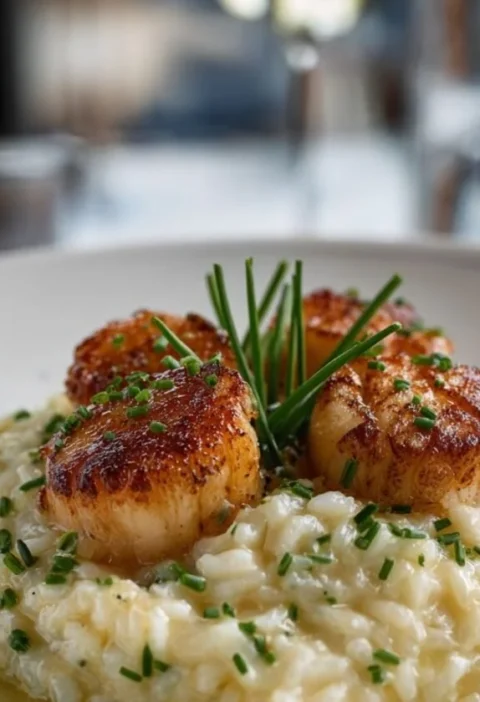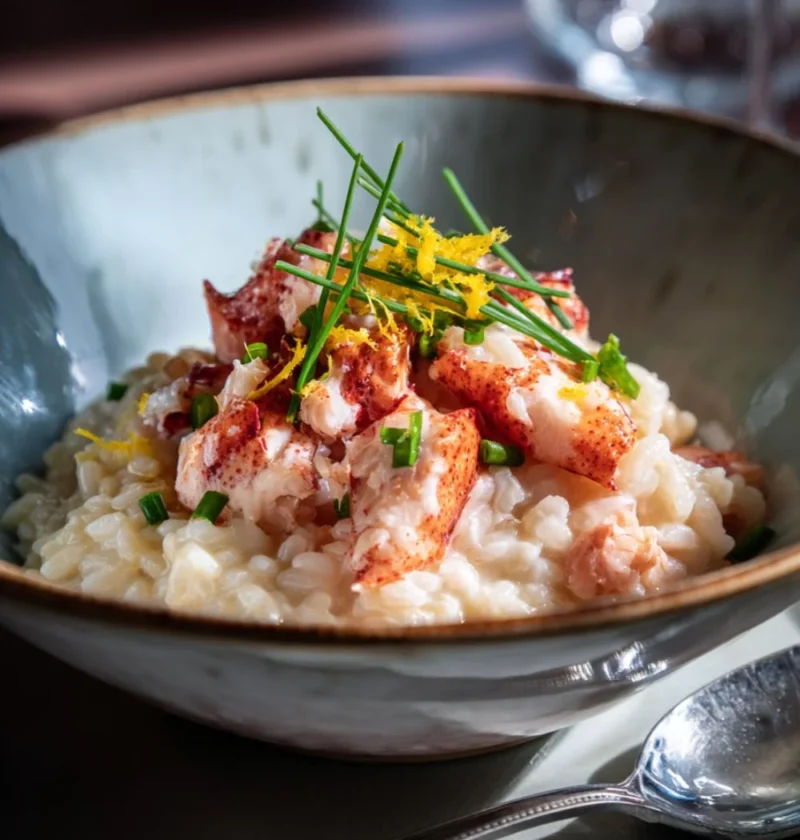
Gordon Ramsay’s lobster risotto is rich and silky, made with Arborio rice, white wine, mascarpone and butter-seared lobster tail, ready in about 40 minutes. It’s the most iconic dish from Hell’s Kitchen, which also makes it the most thrown-in-the-bin dish on television.
Ramsay teaches risotto technique across Ultimate Cookery Course and Home Cooking, and covers lobster prep in Make It Easy and Bread Street Kitchen. There’s no combined recipe in the books, so this version brings both methods together at home.
The moment that makes or breaks it is the mantecato. In Home Cooking, Ramsay calls it “the final addition of butter and parmesan” and insists you pull the pan off the heat first, because cold butter emulsifies into something glossy.
Cooked this recipe? Send a photo or tell me what you changed at fans@gordonramsayrecipes.uk and I’ll share your experience live on this page.
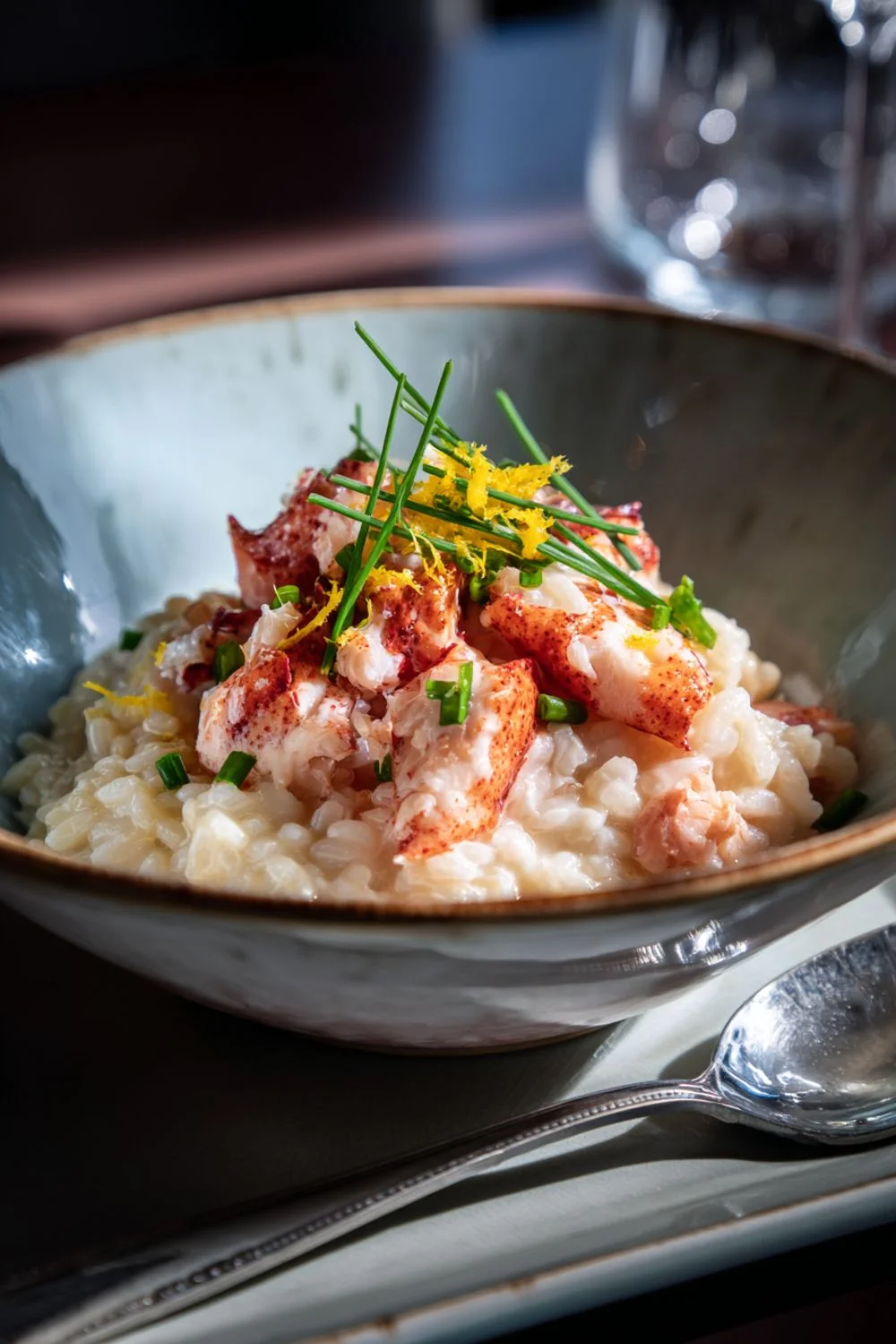
Gordon Ramsay Lobster Risotto Recipe
Course: Dinners, RisottoCuisine: British, ItalianDifficulty: Medium2
servings15
minutes25
minutes620
kcal40
minutesBuilt from Ramsay’s risotto technique (Ultimate Cookery Course, Ultimate Home Cooking) and his lobster methods (Make It Easy, Bread Street Kitchen). About £11 per serving using Tesco lobster tails, roughly 60% cheaper than ordering it at one of his restaurants.
Ingredients
- For the Lobster:
2 raw lobster tails (about 220g total)
1 tbsp unsalted butter
750ml fish or shellfish stock, kept hot
- For the Risotto:
2 tbsp olive oil
2 banana shallots, finely diced
1 garlic clove, finely sliced
250g Arborio or Carnaroli rice
150ml dry white wine
50g cold unsalted butter, cubed
2 tbsp mascarpone
50g Parmesan, finely grated
Zest of half a lemon
Squeeze of lemon juice
Small bunch of chives, finely snipped
Sea salt and white pepper
Directions
- Prep the lobster: Cut the shell down the back with scissors, then pull the meat out in one piece. Chop into 2cm chunks. Melt 1 tbsp butter in a small pan over medium heat, sear the lobster for 90 seconds each side until just opaque, then set aside off the heat immediately.
- Toast the rice: Heat olive oil in a wide heavy-based pan over medium heat. Sauté the shallots for 3 minutes until soft but not coloured, add the garlic for 30 seconds, then pour in the rice and stir for 1-2 minutes until the edges turn translucent.
- Deglaze: Pour in the white wine and stir until fully absorbed.
- Ladle the stock: Add one ladle of hot stock at a time, stirring gently and waiting until each ladle is absorbed before adding the next. Keep going for 16-18 minutes until the rice is al dente with a tiny chalky bite in the centre.
- Mantecato: Take the pan off the heat. Stir in the cold cubed butter, mascarpone and Parmesan, then beat vigorously for 30 seconds until the risotto turns glossy and flows when you tilt the pan.
- Finish: Fold in the lobster, lemon zest, a squeeze of juice and the chives. Season with salt and white pepper, then serve immediately on warm plates.
Notes
- Gordon measures the stock and wine in millilitres, so US cooks can convert millilitres to cups here.
FAQs
Why is lobster risotto so famous from Hell’s Kitchen?
It was a staple on the show’s dinner service menu for 17 seasons and the source of more kitchen disasters than probably any other dish. In Season 18 Ramsay actually retired it from the menu in an episode called “A Fond Farewell,” then challenged the contestants to create a replacement.
The three things that set him off every time: raw rice in the centre because contestants rushed the stock, gummy texture because they flooded the pan instead of ladling, and rubbery lobster that sat in heat too long. In one service he told a contestant the lobster should be “like butter” not “bubble gum in your mouth.” That single line basically tells you everything about how gently this needs cooking.
How much does this lobster risotto cost to make at home?
About £22 for two servings, so roughly £11 per person. Nearly all of that is the lobster itself, because Tesco Finest Raw Lobster Tails run £13.40 for a pack of two. Rice, mascarpone, Parmesan, wine and stock come to about £8 between them.
At Gordon Ramsay’s restaurants a lobster risotto used to cost £28-35 per plate, so you’re saving around 60% by making it in your own kitchen. If £11 a head still feels steep for a midweek dinner, his salmon en croûte is a showstopper for about £4 per serving.
How does Ramsay’s risotto method compare to other chefs?
Jamie Oliver takes a completely different approach: he adds all the stock at once and bakes his risottos in the oven, which is simpler but gives you less control over how creamy it gets. Ramsay is firmly traditional, one ladle at a time on the hob with constant stirring.
The biggest difference though is the finish. In Home Cooking Ramsay describes “the mantecato as the Italians call it” and says to add butter and Parmesan off the heat, then put the lid on so the rice absorbs the richness. A peppery rocket salad on the side cuts through all that richness nicely.
Can I use frozen lobster tails or whole lobster?
Frozen tails work fine because that’s what Tesco sells anyway, they’re just defrosted at the counter. Leave them overnight in the fridge before cooking. Whole cooked lobster (about £15 for 375g at Tesco) also works well: crack the claws with the back of a knife the way Ramsay shows in Home Cooking, chop the meat into chunks, and fold it in at the end since it’s already cooked.
You’ll actually get more meat from a whole lobster, so the cost per serving drops a bit. If you want something simpler with fish instead, his his butter poached lobster technique is much more forgiving.
Does lobster risotto store well?
Not really, and I’d rather tell you that than pretend it keeps for days. The rice absorbs all the liquid overnight and goes stiff, while reheated lobster turns chewy no matter how careful you are.
If you do end up with leftovers though, Ramsay has a brilliant trick in the Cookery Course: roll the cold risotto into balls, breadcrumb them and fry until golden to make arancini. The crispy shell hides the texture change completely. Best plan is to only make what you’ll eat, which is why this recipe serves two. If you’re planning a bigger Ramsay dinner, his a lobster wellington for an even bigger showstopper is the other iconic Hell’s Kitchen dish that scales better for a group.
Should I add saffron to lobster risotto?
Ramsay pairs saffron with shellfish across his books: in his paella recipe in the Cookery Course (mussels, prawns, squid with saffron stock) and with langoustines in Make It Easy (sautéed with garlic and saffron threads). A generous pinch of saffron threads in the stock adds a golden colour and floral warmth that works beautifully with lobster.
Add the threads to your hot stock before you start ladling. They need at least 10 minutes to release their colour and flavour. In Home Cooking he writes that “saffron is one of Spain’s most famous crops,” and a little goes a long way so don’t overdo it. I’ve broken down every risotto he’s taught across his cookbooks if you want something less expensive for a Tuesday night.