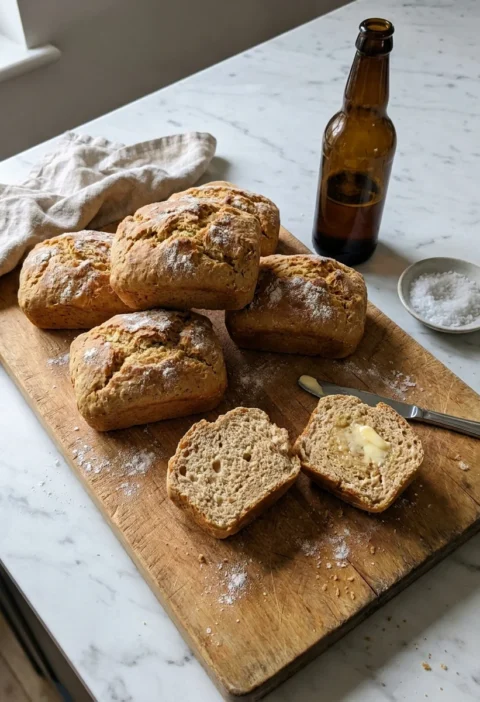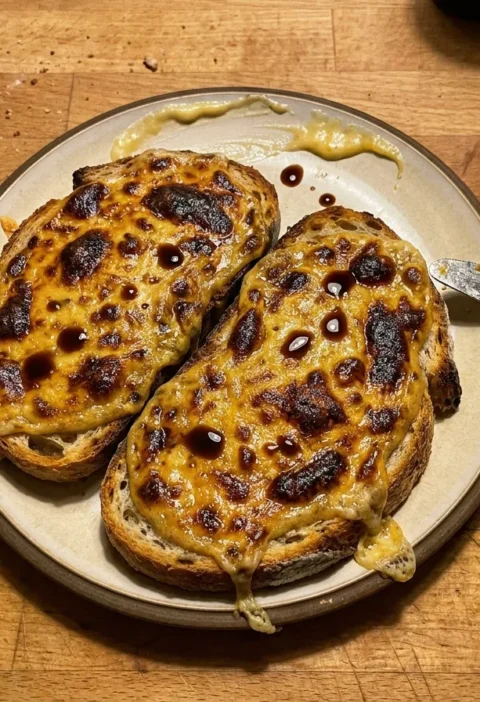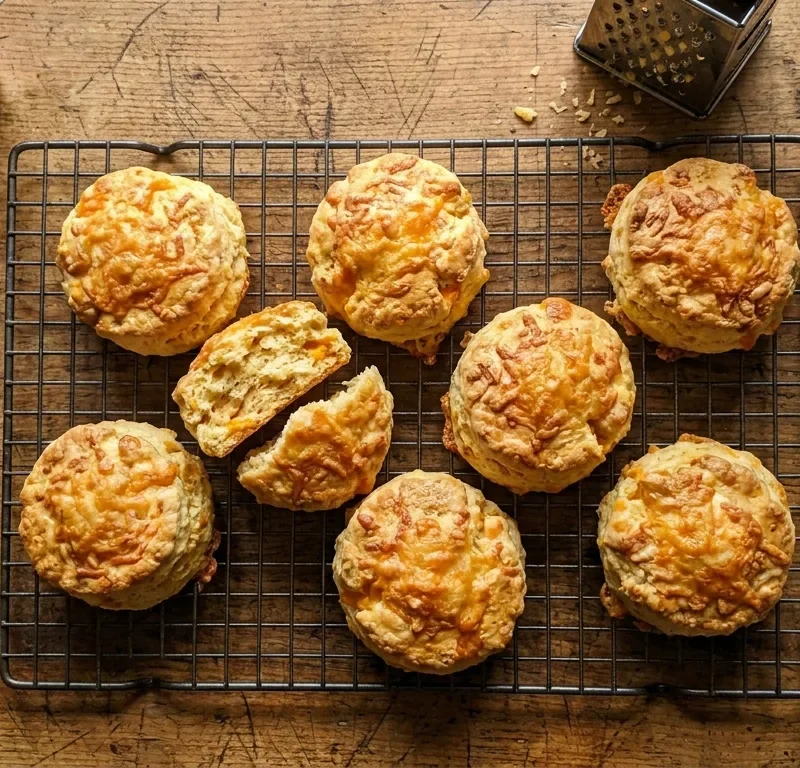
Gordon Ramsay’s scones are made with plain flour, double cream, extra mature Cheddar and sea salt, with no butter rubbed in at all. He calls them “American-style cheese biscuits” in Ultimate Home Cooking, makes 12 and the whole batch bakes in 30 minutes.
He describes them as “a cross between a scone and a biscuit” because the cream makes them flatten into a chewy, crumbly texture rather than rising tall. He says they’re “incredibly more-ish” with “an intense cheesy taste” that makes it impossible to stop at one.
The technique he stresses is not overworking the dough, because too much kneading develops gluten and turns the scones tough instead of tender. A few gentle turns on a floured surface is all they need before stamping out.
Cooked this recipe? Send a photo or tell me what you changed at fans@gordonramsayrecipes.uk and I’ll share your experience live on this page.
Gordon Ramsay’s Cheese Scones
Course: SnackCuisine: BritishDifficulty: Easy12
15
minutes30
minutes385
kcal45
minutesFrom Ultimate Home Cooking, where Ramsay titles the recipe “American-style cheese biscuits.” A 7-ingredient cheese scone he pairs with his Smoky Bacon, Sweetcorn and Potato Soup. About 30p each at Tesco prices.
Ingredients
375g (3 cups) plain flour (all-purpose flour)
1½ tbsp baking powder
2 tsp sea salt flakes
Freshly ground black pepper
100g (3½ oz / 1 cup) extra mature Cheddar cheese, grated
600ml (2½ cups) double cream (heavy cream)
30g (2 tbsp) butter, melted, for brushing
Directions
- Preheat the oven: Set to 160°C (320°F / Gas 3). Line one or more baking sheets with baking parchment.
- Mix the dry ingredients: Sift the flour and baking powder into a large bowl. Add the salt and a good grinding of pepper, then stir in the grated cheese.
- Add the cream: Make a well in the middle, pour in the cream and stir gently with a wooden spoon until a dough forms. Do not overwork it.
- Shape: Turn onto a lightly floured surface and knead gently for a few seconds. Roll out to 2cm thick and stamp out 12 rounds with a 6cm cutter, dipping the cutter in flour between each cut.
- Rest and bake: Place on the prepared sheets, spacing 2cm apart. Rest for 10 minutes. Brush the tops with melted butter and bake for about 30 minutes until golden brown and well risen.
- Serve: Transfer to a wire rack and serve warm or cold.
FAQs
Why does Ramsay use cream instead of butter in these scones?
Most scone recipes rub cold butter into flour, but Ramsay skips this and uses 600ml of double cream as the only fat. The cream coats the flour particles more evenly, which gives a softer, more tender result than traditional butter scones.
The result is closer to an American biscuit than a British scone, which is why the texture is soft rather than flaky. His shortbread uses the opposite approach with cold butter for a snappier texture, so the two recipes show how fat choice changes everything.
Is this the same as Gordon Ramsay’s cheese biscuit recipe?
Yes. The recipe Ramsay titles “American-style cheese biscuits” in Ultimate Home Cooking is this exact recipe: plain flour, 600ml double cream, 100g extra mature Cheddar and a brush of melted butter before baking. He uses the word “biscuit” because the cream gives a softer, chewier result than a traditional British scone, which is why the texture sits between the two.
If you’re looking for cheddar biscuits like the American restaurant style, this is the closest Ramsay publishes. His version skips buttermilk entirely and relies on double cream instead, which is what makes the texture distinct from most American biscuit recipes online.
What are the oaty walnut and cheese scones?
A second cookbook version adds 150g rolled oats, 100g chopped walnuts and a pinch of cayenne pepper to the cheese scone base. This one uses self-raising flour with the traditional rubbed-in butter method, eggs and buttermilk instead of cream, which makes the texture denser and nuttier.
They bake faster too, just 15-20 minutes at 180°C compared to 30 minutes for the UHC version. Ramsay serves them with soft cheese and chutney rather than butter and jam, so they’re more savoury snack than afternoon tea.
Can you use cheese scones as a pie topping?
The GBPF book puts cheese scones directly on top of a beef stew instead of a pastry lid, which he calls a cobbler. The scones absorb some of the sauce from below while staying light and fluffy on top, so you get two textures in one dish.
He warns to serve immediately once the scones are cooked, because they go soggy if left sitting on the hot stew. If you want to prep ahead, bake the scones separately at 220°C for 10-12 minutes and arrange them on top just before serving. His beef stew uses dumplings instead for a similar one-pot approach.
How do you stop scones going flat?
Ramsay rolls the dough to exactly 2cm thick before cutting, and he’s specific about this because scones barely rise in the oven. If the dough is thinner than 2cm, they’ll barely rise and come out flat rather than tall and fluffy.
The other rule is resting for 10 minutes on the baking sheet before they go in the oven, which lets the baking powder start working. Dip the cutter in flour between each cut, which Ramsay says makes the dough easier to remove cleanly. His focaccia uses a similar rest before baking for the same reason.
Can you freeze scone dough?
The UHC recipe doesn’t mention freezing, but the dough holds well in the fridge overnight wrapped in cling film. The cold rest actually helps the baking powder work more evenly, so next-morning scones often rise better than same-day ones.
For the oaty walnut version, the buttermilk means the dough needs baking within a few hours since the acid reacts with the baking powder immediately. Baked scones freeze well for up to a month, so batch-bake and reheat at 160°C for 5 minutes. Serve with his pea and ham soup for the full comfort lunch.
Does Ramsay have a biscuits and gravy recipe?
Not in any of his 22 cookbooks. Biscuits and gravy is a Southern American breakfast dish with sausage gravy poured over split buttermilk biscuits, and Ramsay has never published his own version of the gravy or the American-style buttermilk biscuit base it needs.
These cheese scones would work as the biscuit half if you wanted to build your own, since the texture is already closer to an American biscuit than a British scone. But the sausage gravy would not come from a Ramsay source, so it would be an adaptation rather than his recipe.