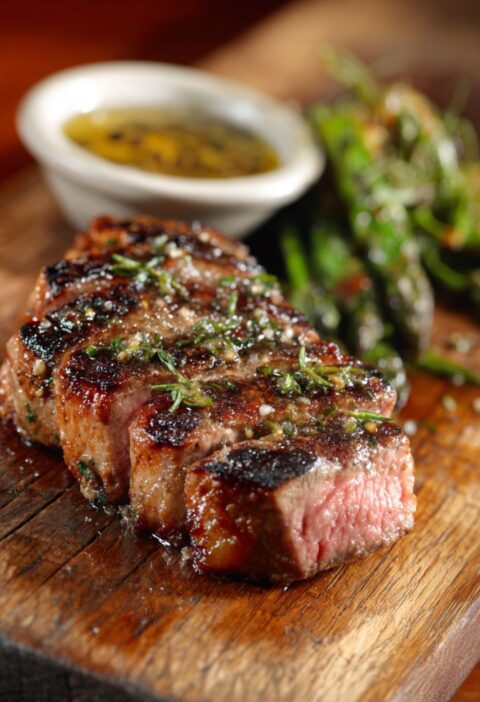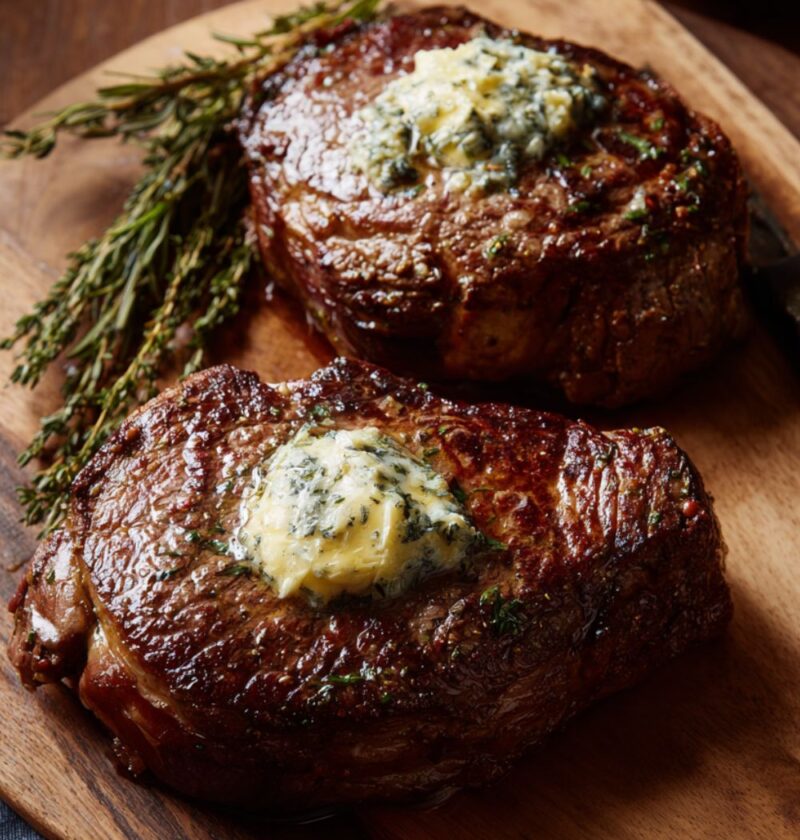
A thick, golden-crusted steak with a juicy pink centre is made with a cast iron pan, salt, pepper, butter, and about 10 minutes of actual cooking time. The secret is simple: dry meat, a screaming-hot pan, and knowing when to pull it off the heat. This guide covers every method, every cut, and every mistake I have made so you can cook steak at home with total confidence.
I first learned how to sear steak properly from watching Gordon Ramsay butter-baste a ribeye on YouTube. That single video changed the way I cook. Since then, I have pan-seared, grilled, and reverse-seared hundreds of steaks in my own kitchen, and this guide is everything I know condensed into one place.
Which Cut of Steak Should You Choose?
Timing depends on thickness, not weight. A 2.5cm (1 inch) steak takes roughly 3 to 4 minutes per side for medium-rare in a hot cast iron pan. A 4cm (1.5 inch) steak needs 4 to 5 minutes per side, or better yet, use the reverse sear method below.
Never rely on time alone. Two steaks the same thickness can cook at different speeds depending on how cold they were, how hot your pan is, and how much fat is in the cut. Always use a thermometer. If you prefer a hands-off approach, my air fryer steak recipe is surprisingly good for weeknight cooking.
Why Resting Steak Matters
When you cook steak, the heat pushes juices toward the centre. If you cut into it straight away, those juices pour out onto your chopping board instead of staying in the meat.
Rest your steak on a warm plate, loosely tented with foil, for at least 5 minutes. For thicker cuts, rest for 10 minutes. The internal temperature will rise about 3 to 5°C (5 to 10°F) during this time, which is why you pull it from the pan early.
Slice against the grain after resting. This shortens the muscle fibres and makes every bite more tender.
How to Reverse Sear Steak
The reverse sear is the best method for thick steaks over 4cm (1.5 inches). It flips the traditional method: you cook low first, then sear at the end. The result is edge-to-edge even pinkness with a crisp crust.
Preheat your oven to 120°C (250°F). Place the seasoned steak on a wire rack over a baking tray. Cook until the internal temperature reaches 50°C (122°F) for medium-rare. This takes roughly 30 to 45 minutes depending on thickness.
Remove the steak and let it rest for 5 minutes while you heat a cast iron pan until it smokes. Sear the steak for 45 to 60 seconds per side to build the crust. Because the inside is already at temperature, you cannot overcook it during the sear. This method gives you the most control.
How to Grill Steak
Grilling adds a smoky char that you cannot get from a pan. The technique is slightly different because you are managing two heat zones instead of one flat surface.
Set up your grill with a hot zone and a cooler zone. Sear the steak directly over the coals (or high flame on gas) for 2 to 3 minutes per side. Then move it to the cooler zone, close the lid, and let it cook gently until it hits your target temperature.
Oil the steak, not the grill grates. Keep the lid closed as much as possible to trap heat. And resist the urge to press down on the steak with a spatula. That just squeezes out juices.
How to Cook a Tomahawk Steak
A tomahawk is a bone-in ribeye with the full rib bone left on. It looks dramatic and can weigh over 1kg. The bone acts as an insulator, which means the meat near it cooks slower than the rest.
The reverse sear is the only reliable method for a tomahawk steak. A cut this thick will burn on the outside long before the centre reaches temperature in a pan alone.
Follow the reverse sear method above, but expect the oven stage to take 45 to 60 minutes. Wrap the exposed bone in foil to prevent it from scorching. After the oven, sear hard in a cast iron pan or on a screaming-hot grill for 60 seconds per side. Rest for 10 minutes before slicing.
How to Cook Wagyu Steak
Wagyu has so much intramuscular fat that it cooks differently from regular beef. The fat melts at a lower temperature, so wagyu steak can go from perfect to overcooked very quickly.
Cut wagyu steaks into smaller portions, roughly 150g to 200g each. The richness is intense, so you do not need a large piece. Season with salt only, no pepper until after cooking.
Use a hot pan but cook for a shorter time: 60 to 90 seconds per side is enough for a 2cm-thick wagyu steak. Pull it at rare to medium-rare. The fat does the rest. Do not butter-baste wagyu. It has more than enough fat already.
Best Sauces to Serve With Steak
A good sauce turns a great steak into a restaurant-level meal. These are the classics I keep coming back to, and I have tested recipes for each one on this site.
Peppercorn sauce is the British steakhouse standard. Creamy, sharp, and packed with cracked black pepper. It works with any cut but pairs best with sirloin or fillet.
Béarnaise sauce is the French classic. Tarragon-infused butter sauce that melts over a hot steak. Rich and elegant. Perfect for fillet or a special occasion ribeye.
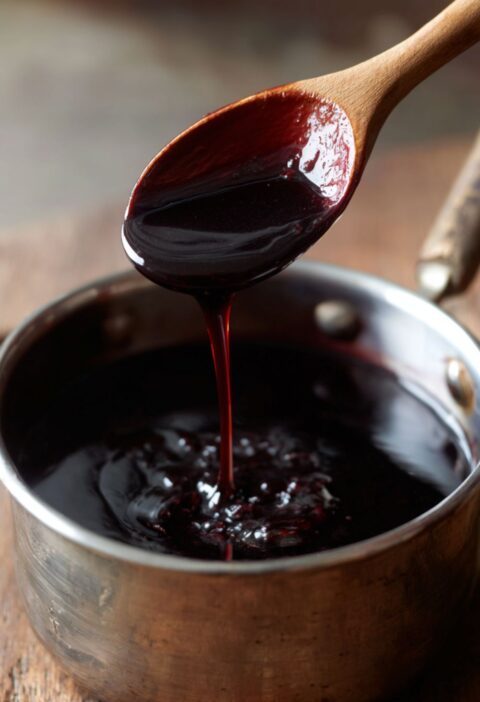
Red wine jus is lighter than cream-based sauces but full of deep, concentrated flavour. It works brilliantly with any red meat.
Madeira sauce is rich, sweet, and savoury. Ideal for fillet and special dinners. And if you want something with a kick, try the horseradish sauce alongside a sirloin.
Best Sides for Steak
The right side dish completes the meal. My go-to combinations are creamy mashed potatoes for a classic pairing, fondant potatoes when I want something more impressive, or crispy smashed potatoes for a casual dinner.
If you want to keep it lighter, an arugula salad with parmesan and lemon cuts through the richness perfectly.
Try These Steak Recipes Next
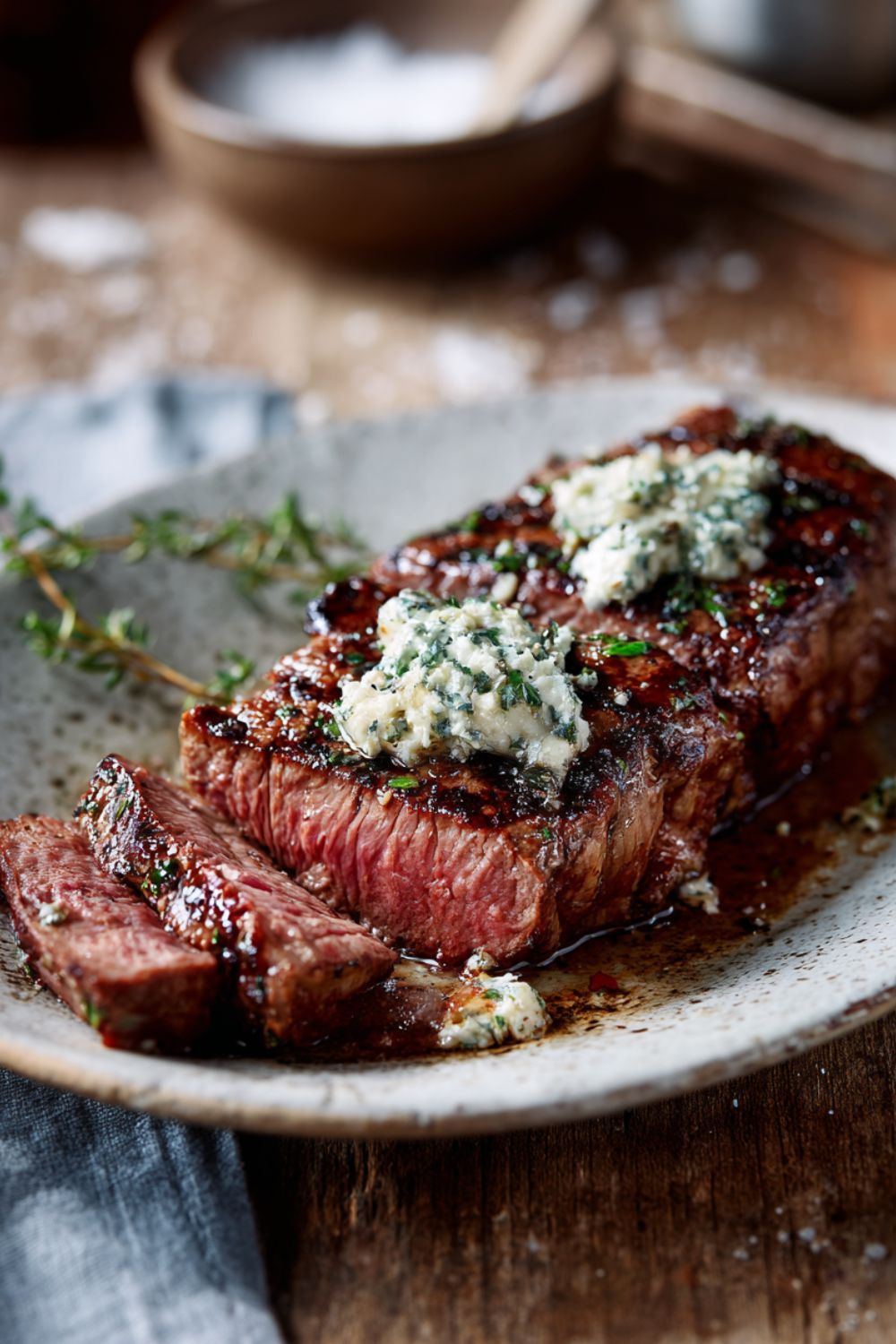
Once you have the basics down, try these recipes that build on the same techniques:
- Steak Au Poivre uses the pan-sear method with a brandy cream sauce built right in the same pan.
- Steak Diane is a classic flambéed steak with mushrooms and mustard.
- Coffee Rub Steak adds a bold, smoky crust using ground coffee and spices.
- T-Bone Steak with Marinade is perfect for grilling season.
- Beef Wellington takes your steak skills to the next level with pastry and mushroom duxelles.
Common Mistakes When Cooking Steak
Cooking it wet. If you skip drying the surface, the steak steams instead of searing. No crust, grey colour, disappointing texture. Always pat dry with kitchen paper.
Pan not hot enough. If the steak does not sizzle violently when it hits the pan, pull it out and wait. A lukewarm pan gives you a tough, grey steak with no browning.
Flipping too often. One flip is all you need. Let the crust develop on one side fully before you touch it. If it sticks to the pan, it is not ready to flip.
Skipping the rest. Cutting into a steak straight off the heat means losing all the juices. Five minutes of patience makes a massive difference.
Using the wrong oil. Extra virgin olive oil and butter burn at the temperatures needed for searing. Use them for basting only, after the initial sear.
FAQs
Should you cook steak in butter or oil?
Start with a high smoke-point oil for the sear, then add butter in the last 60 seconds for basting. Butter burns at the high temperatures needed for an initial sear, but it adds incredible flavour when added at the end.
How do you know when steak is done without a thermometer?
The finger test is a rough guide: press the centre of the steak and compare the firmness to different parts of your palm. But honestly, a digital thermometer costs under £10 and removes all guesswork. It is the single best investment for cooking steak at home.
Can you cook steak from frozen?
Yes, but only with the reverse sear method. Place the frozen steak directly in a 120°C (250°F) oven on a wire rack. It takes about 20 minutes longer than a thawed steak. Sear it in a hot pan at the end. Some tests show frozen-to-cooked steaks actually lose less moisture than thawed ones.
What is the best pan for cooking steak?
A cast iron skillet is the best pan for steak. It holds heat evenly, gets extremely hot, and builds a better crust than stainless steel or non-stick. Season it properly and it will last a lifetime.
How long should you rest steak?
Rest standard-thickness steaks for 5 minutes and thick cuts like tomahawk for 10 minutes. Loosely tent with foil to keep warm without trapping steam that softens the crust.