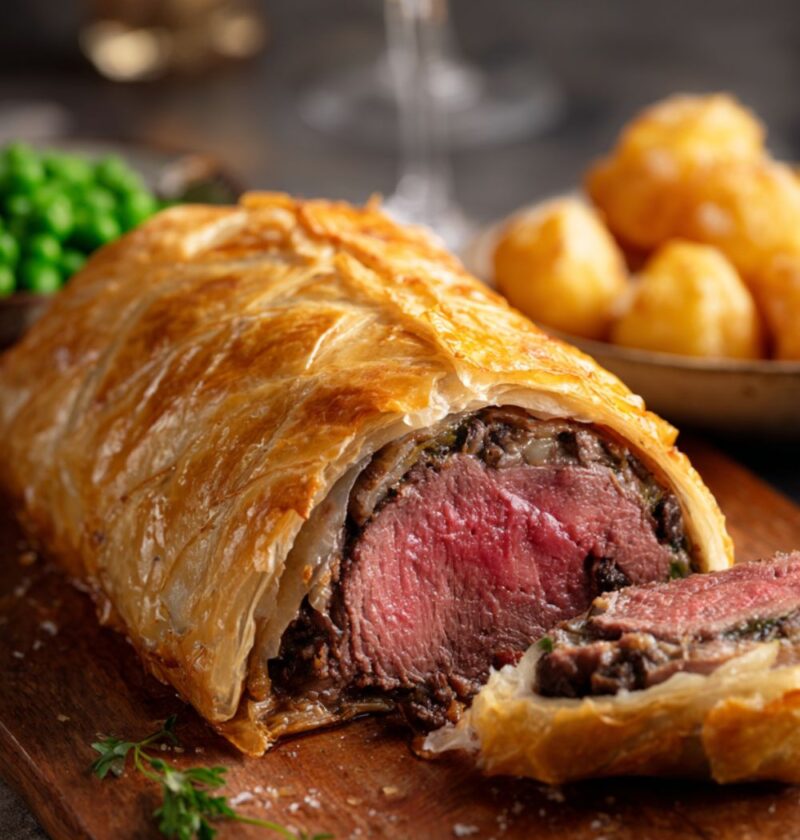
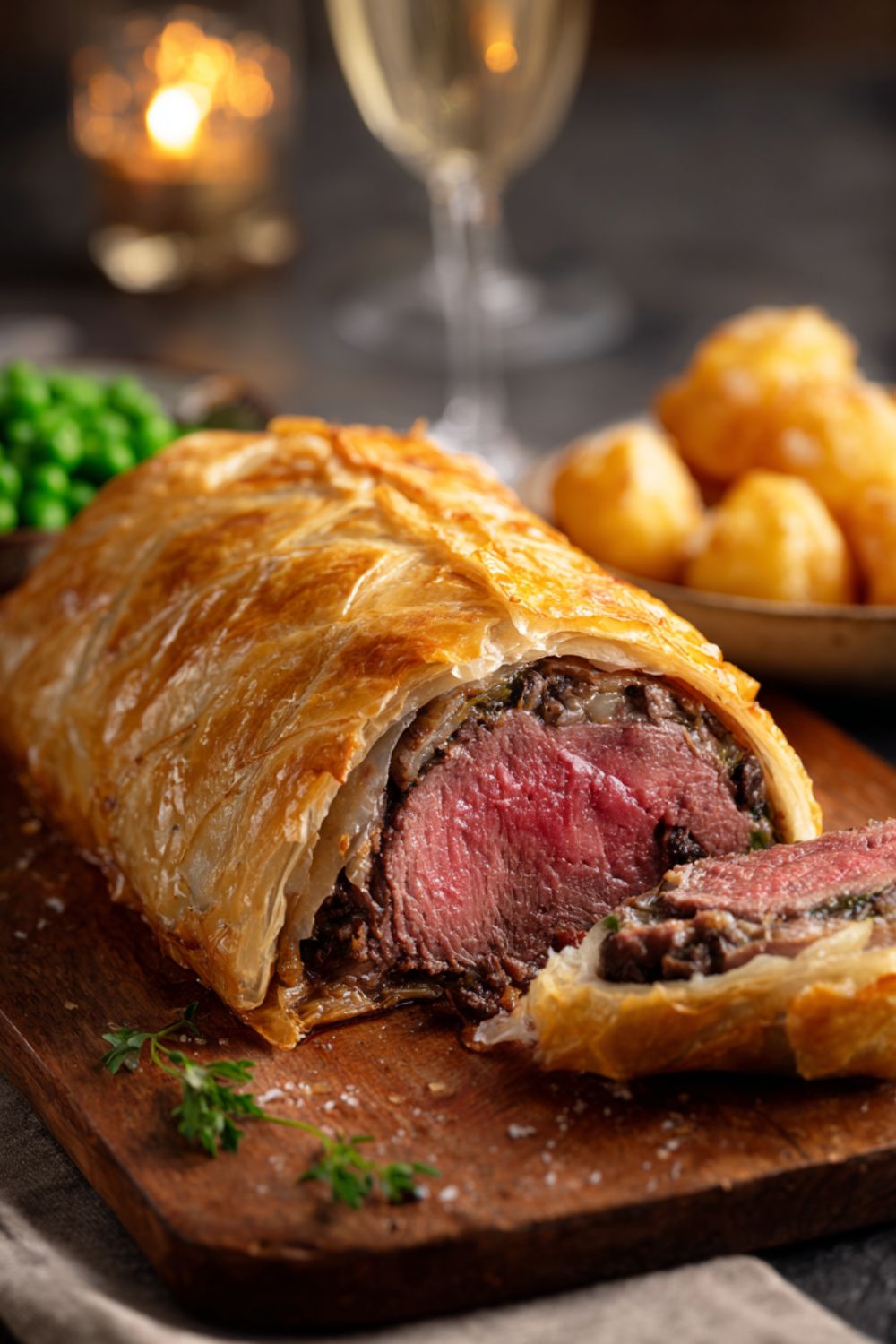
Beef Wellington is a seared beef fillet wrapped in mushroom duxelles, prosciutto, and puff pastry, then baked until the pastry is golden and the centre stays pink. It looks like a restaurant dish but it is really just five steps done in the right order. The whole thing takes about two hours from start to table.
This is the dish that first made me take cooking seriously. I watched Gordon Ramsay make it on television and thought there was no way I could pull it off at home. I was wrong. I have made beef Wellington over a dozen times since, and every single mistake I made along the way is covered in this guide so you can skip straight to getting it right.
Which Cut of Beef Do You Need?
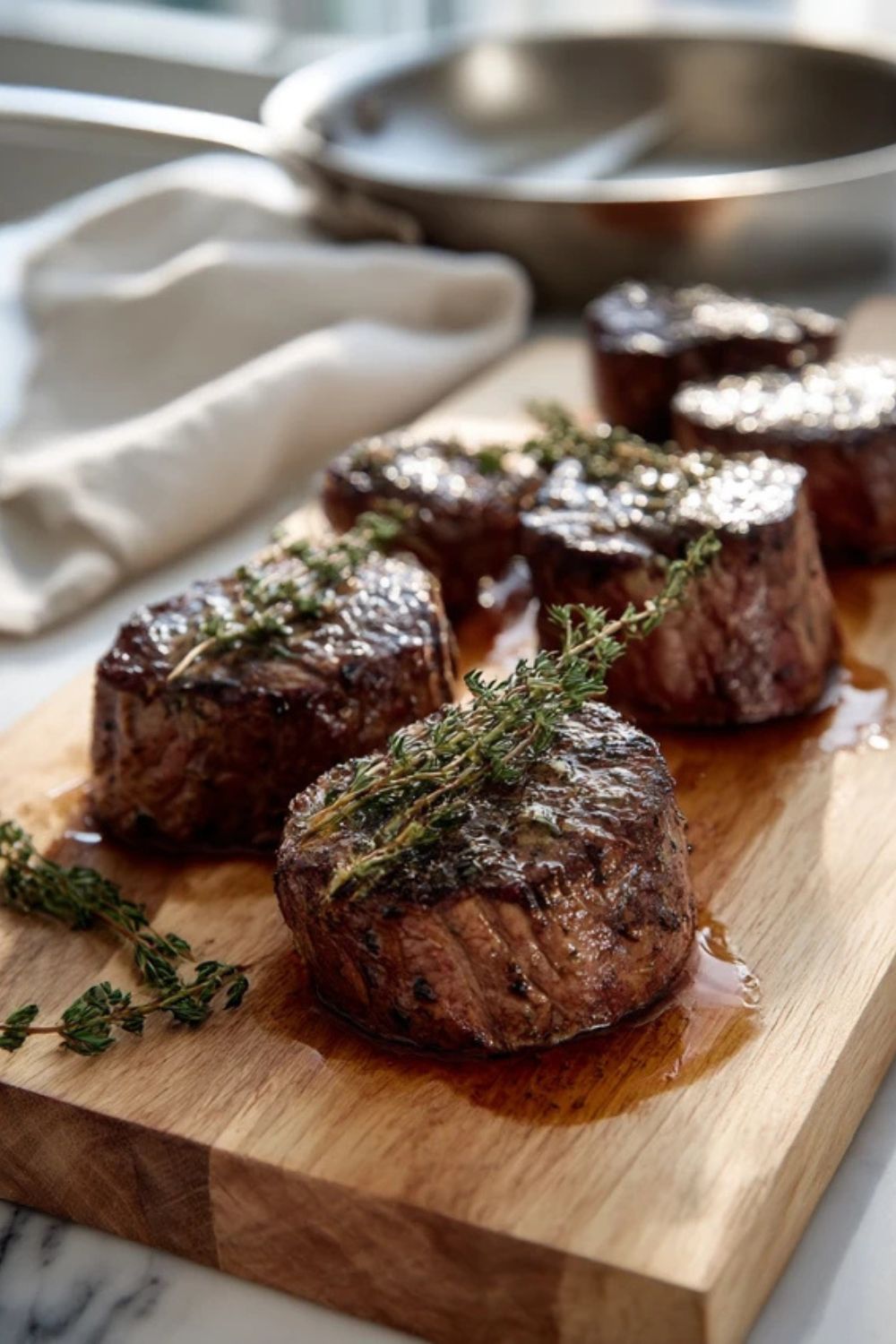
Centre-cut beef fillet (tenderloin) is the only cut worth using. It is tender, lean, and has an even thickness that cooks uniformly inside the pastry. Ask your butcher for a piece around 800g to 1kg, trimmed of all sinew and silver skin.
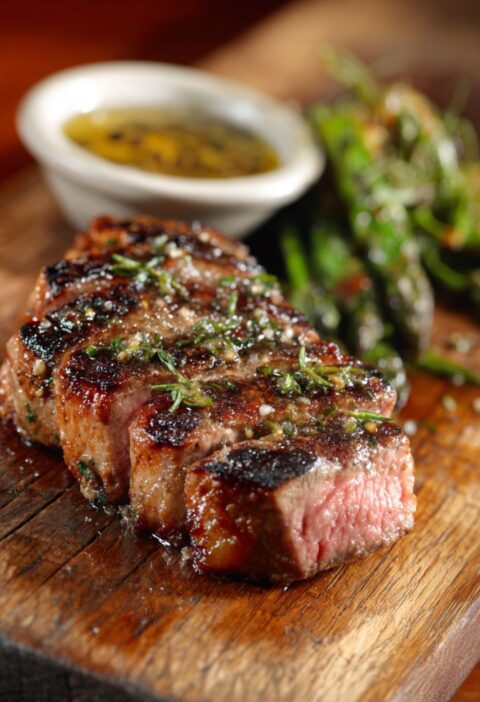
Do not use sirloin or ribeye. They have too much fat and irregular shapes that make wrapping impossible. If you want to cook those cuts, my sirloin steak recipe or the complete steak guide are better options. Fillet is expensive but you do not need a huge piece. 800g serves four generously.
What Is Mushroom Duxelles?
Duxelles is finely chopped mushrooms cooked down until all the moisture evaporates and you are left with a dry, paste-like mixture. It adds flavour and acts as a barrier between the meat and the pastry.
Use 400g of chestnut mushrooms (or a mix of chestnut and shiitake for deeper flavour). Pulse them in a food processor until very finely chopped but not pureed. Cook in a dry pan over medium-high heat with a finely diced shallot, two crushed garlic cloves, and a few thyme leaves.
This step takes 10 to 12 minutes. Keep cooking and stirring until the pan is completely dry. If you leave any moisture in the duxelles, it will make your pastry soggy. This is the number one reason home-made Wellingtons fail. Spread the cooked mixture on a plate and let it cool completely before assembling.
How to Sear the Beef
Season the fillet generously with salt and pepper. Heat a tablespoon of oil in a hot pan until it smokes. Sear the beef on all sides for about 60 to 90 seconds per side until a deep golden-brown crust forms everywhere.
Immediately brush the seared beef all over with English mustard. This adds a sharp, peppery bite that cuts through the richness of the meat and mushrooms. Use a thin, even layer. Let the beef cool completely before wrapping. If you wrap it while hot, the pastry will sweat and go soggy.
How to Wrap Beef Wellington
The wrapping is where most people panic, but it is easier than it looks if you use cling film as your guide. Lay a large sheet of cling film on your work surface.
Step 1: Prosciutto layer. Arrange 8 to 10 slices of prosciutto (or Parma ham) on the cling film, overlapping each slice slightly like roof tiles. You want a rectangle large enough to wrap around the fillet completely. The prosciutto acts as a moisture barrier between the duxelles and the pastry.
Step 2: Duxelles layer. Spread the cooled mushroom duxelles evenly over the prosciutto in a thin layer. Leave a 2cm border at the edges.
Step 3: Roll the beef. Place the cooled, mustard-coated beef at the bottom edge of the prosciutto. Using the cling film to help, roll the beef away from you, tucking the prosciutto and duxelles tightly around it. Twist the ends of the cling film like a Christmas cracker to create a tight, even cylinder. Refrigerate for at least 20 minutes.
Step 4: Pastry layer. Roll out a sheet of all-butter puff pastry on a floured surface to about 3mm thick. Remove the cling film from the beef. Place the wrapped beef at the bottom of the pastry and roll it up, sealing the seam underneath with beaten egg. Tuck the ends in and seal with egg wash. Score the top lightly in a diamond pattern without cutting through to the meat.
Step 5: Chill again. Brush the entire surface with egg wash and refrigerate for at least 30 minutes. This firms everything up and prevents the pastry from losing its shape in the oven. You can prepare to this stage up to 8 hours ahead.
How to Bake Beef Wellington
Preheat your oven to 200°C (400°F). Place the Wellington seam-side down on a lined baking tray. Brush with a second coat of egg wash for extra colour.
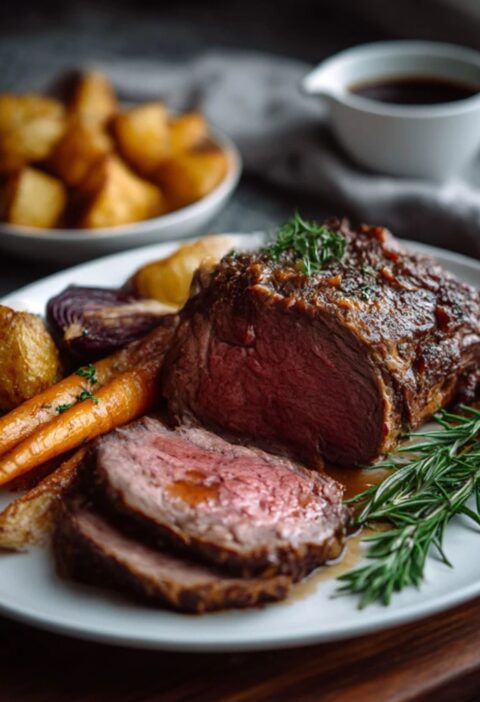
Bake for 25 to 30 minutes until the pastry is deep golden brown and puffed. Insert a thermometer through the pastry into the centre of the beef. For medium-rare, pull it at 48°C (118°F). The puff pastry insulates the meat, so it continues cooking more than a bare steak would. It will reach 52 to 54°C (125 to 130°F) after resting.
Rest the Wellington for 10 minutes on a board before slicing. Use a sharp, serrated knife. Clean the blade between slices for the cleanest presentation.
Beef Wellington Temperature Guide
| Doneness | Pull from oven at | Final temp after rest |
|---|---|---|
| Rare | 43°C / 110°F | 49°C / 120°F |
| Medium-Rare | 48°C / 118°F | 54°C / 130°F |
| Medium | 54°C / 130°F | 60°C / 140°F |
I strongly recommend medium-rare for Wellington. The pastry and duxelles provide so much richness that you want the beef itself to stay soft and pink. Anything above medium and the fillet dries out quickly because it is so lean.
How to Avoid a Soggy Bottom
A soggy bottom is the most common Wellington problem. It happens when moisture from the beef or duxelles soaks through to the pastry. Here is how to prevent it every time.
Cook the duxelles until completely dry. If you can squeeze any moisture out of the mushroom mixture, it needs more time in the pan. This is not optional.
Cool the beef completely before wrapping. Hot beef creates steam inside the cling film, which makes everything wet. Let it cool on a rack for at least 20 minutes, or put it in the fridge.
Use the prosciutto layer. The cured ham acts as a waterproof barrier between the wet filling and the dry pastry. Do not skip this step.
Chill before baking. A cold Wellington holds its shape better in the oven and gives the pastry time to puff before the inside heats up. 30 minutes minimum, overnight is even better.
Can You Make Beef Wellington Ahead of Time?
Yes, and this is one of the best things about the dish. You can fully assemble the Wellington, wrap it tightly in cling film, and refrigerate it for up to 24 hours before baking. Remove it from the fridge 15 minutes before it goes in the oven.
You can also freeze an unbaked Wellington for up to one month. Wrap it in cling film and then foil. Bake from frozen, adding 10 to 15 minutes to the cooking time, and use a thermometer to check doneness.
Best Sauces for Beef Wellington
Wellington is rich on its own, so the sauce should add sharpness or depth without heaviness. These are the three classics I come back to.
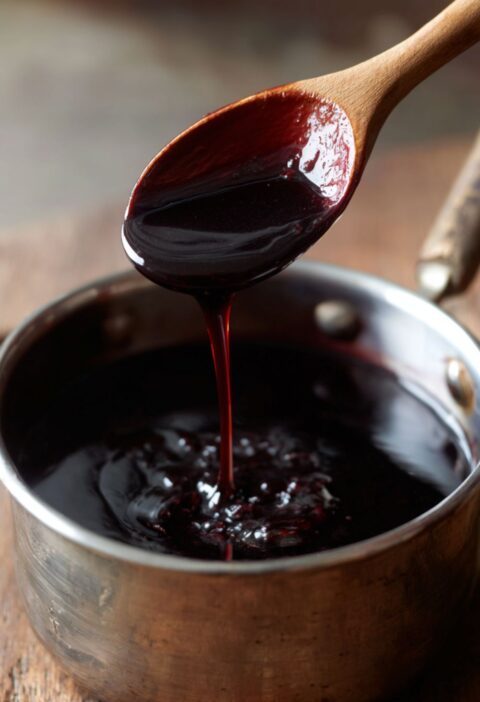
Red wine jus is the traditional pairing. Deep, glossy, and concentrated. You can make it from the beef trimmings while the Wellington rests.
Madeira sauce is richer and slightly sweeter. Brilliant for special occasions when you want something more luxurious.
Peppercorn sauce adds a sharp, creamy kick. Not traditional with Wellington but it works surprisingly well.
Best Sides for Beef Wellington
Keep it simple. The Wellington is the star. Creamy mashed potatoes are the classic. Fondant potatoes look more impressive if you are entertaining. A simple green vegetable like steamed tenderstem broccoli or buttered green beans keeps the plate balanced.
Other Wellington Recipes to Try
Once you have the Wellington technique down, you can apply it to other proteins. Try the salmon Wellington for a lighter version with fish, or the lobster Wellington for something truly special. The wrapping and baking method is identical. My Gordon Ramsay beef Wellington recipe also gives you a more traditional step-by-step if you want the full classic version.
FAQs
What pastry is best for beef Wellington?
All-butter puff pastry gives the best flavour and flakiest layers. Shop-bought is perfectly fine. Look for one that comes as a single sheet rather than pre-scored, so you get a cleaner wrap with no visible seams.
How do you keep beef Wellington from getting soggy?
Three things: cook the duxelles until bone dry, cool the seared beef completely before wrapping, and always chill the assembled Wellington for at least 30 minutes before baking. The prosciutto layer also acts as a moisture barrier.
Can you use shop-bought puff pastry?
Yes. All-butter puff pastry from the supermarket works perfectly. Thaw it in the fridge overnight and roll it out to about 3mm thick. Homemade puff pastry is impressive but completely unnecessary for a great result.
How far in advance can you make beef Wellington?
You can fully assemble it up to 24 hours ahead and refrigerate. You can also freeze it for up to one month. Bake from frozen, adding 10 to 15 minutes to the cooking time.
What temperature should beef Wellington be inside?
For medium-rare, pull it from the oven when the internal temperature reaches 48°C (118°F). It will rise to about 54°C (130°F) while resting. The puff pastry insulates the meat heavily, so it carries over more than a bare steak.