The best steak marinade follows a simple formula: half a cup of oil, a quarter cup of acid, salt, and aromatics per pound of meat. That ratio gives you flavour and tenderness without turning the surface mushy. This guide covers the science behind why marinades work, the five best combinations I have tested, how long to marinate each cut, and the mistakes that ruin good steak.
I used to think marinades were just about dumping soy sauce on meat and hoping for the best. Then I watched Gordon Ramsay prepare a steak with nothing but mustard, garlic, and oil and realised that a good marinade is about balance, not volume. Every marinade I have made since follows the same structure, and the results are consistently better than anything I produced before.
Why Marinades Work (and What They Cannot Do)
3 tablespoons soy sauce, 2 tablespoons sesame oil, 1 tablespoon rice vinegar, 1 tablespoon honey, 2cm piece of fresh ginger (grated), 2 crushed garlic cloves, 1 finely sliced spring onion. This gives flank and skirt steak an intense umami flavour. Slice thinly against the grain and serve in a rice bowl or with noodles.
4. Coffee and Chilli Rub
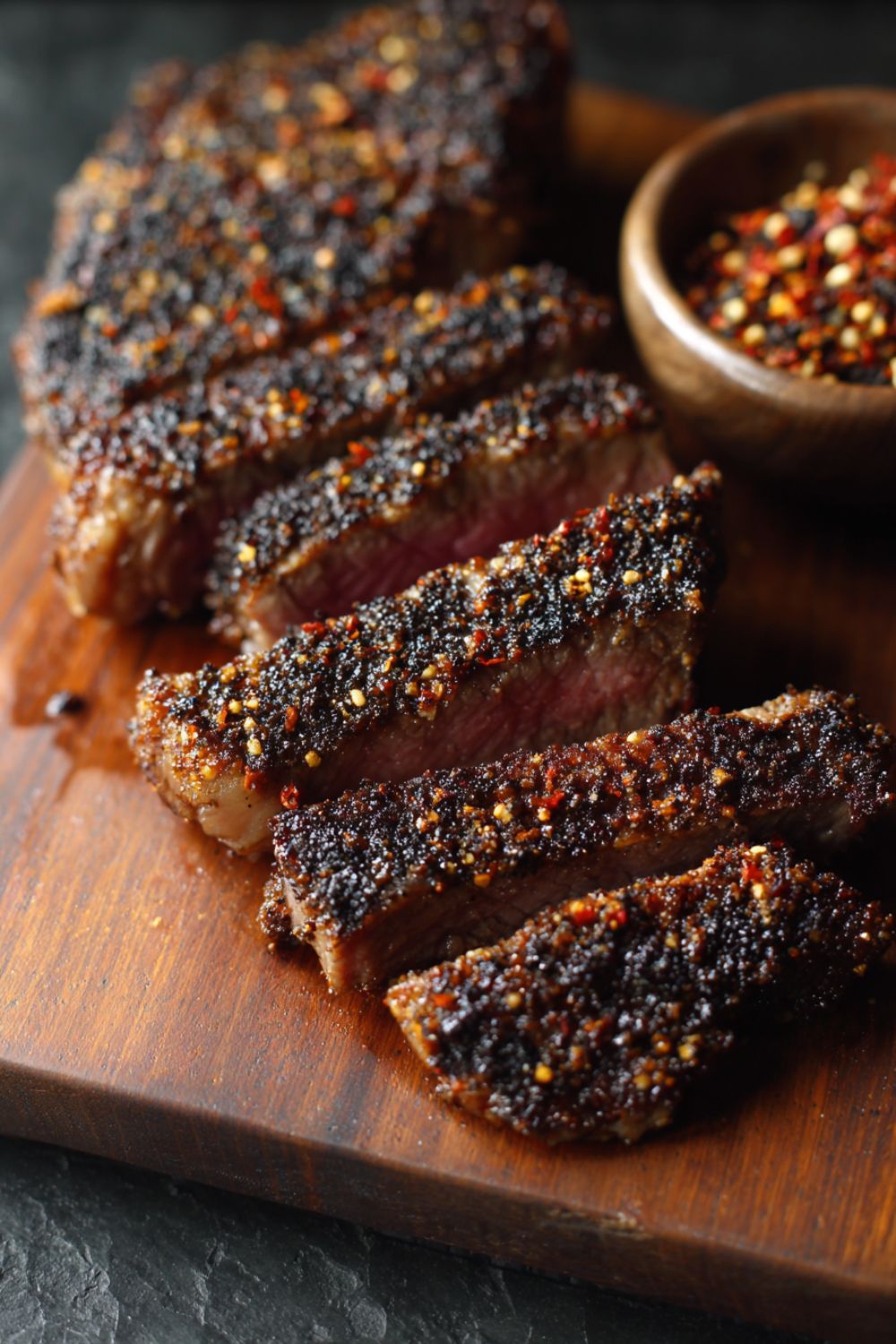
2 tablespoons strong brewed coffee (cooled), 1 tablespoon olive oil, 1 tablespoon smoked paprika, 1 teaspoon chilli powder, 1 teaspoon brown sugar, 1 teaspoon garlic powder, salt and pepper. This is technically a wet rub rather than a liquid marinade, and it creates an incredibly dark, smoky crust. My coffee rub steak recipe goes into more detail on this method.
5. Red Wine and Mustard
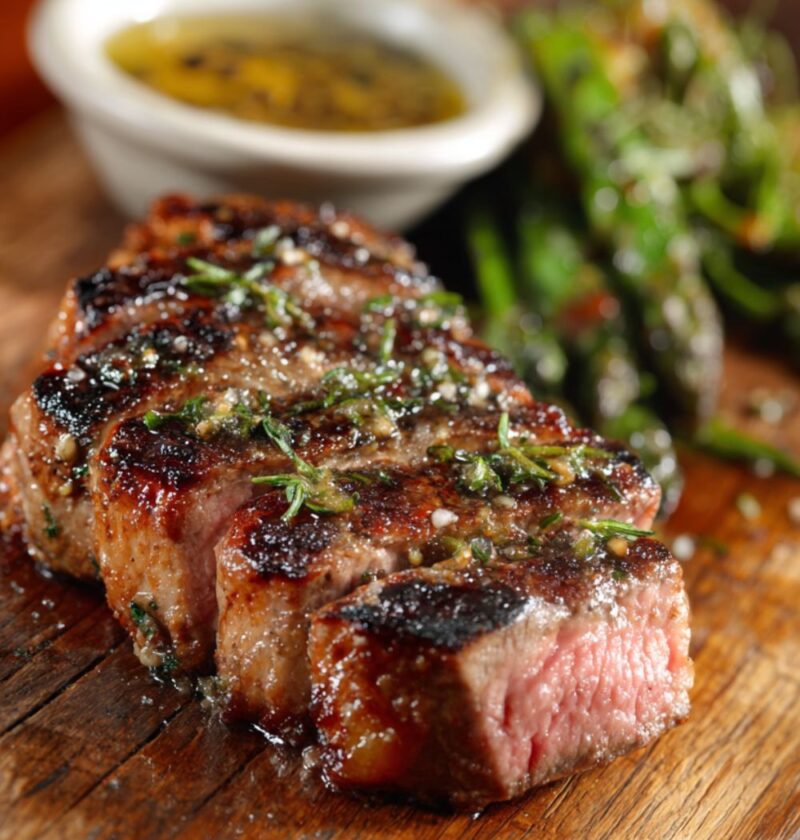
120ml red wine, 2 tablespoons olive oil, 1 tablespoon Dijon mustard, 2 crushed garlic cloves, 1 tablespoon fresh thyme leaves, salt and pepper. The wine adds depth without overpowering the beef. Use a wine you would actually drink. Gordon Ramsay’s approach to mustard on steak, particularly for his beef Wellington, inspired this combination. The mustard cuts through the richness and adds a sharp bite.
Which Cut to Marinate (and Which to Skip)
Marinades work best on tougher, leaner cuts with lots of surface area. They are less useful on premium cuts that are already tender and well-marbled.
Best cuts for marinading: flank steak, skirt steak, bavette, rump, and sirloin. These cuts are flavourful but can be chewy without help. A marinade softens the surface and adds moisture.
Skip the marinade for: ribeye, fillet, and wagyu. These premium cuts have enough fat and tenderness on their own. A marinade can actually mask their natural flavour. For these cuts, salt, pepper, and butter basting is all you need. My complete steak guide covers the best approach for each cut.
How Long to Marinate Steak
| Cut | Minimum | Ideal | Maximum |
|---|---|---|---|
| Flank / Skirt | 2 hours | 6 to 8 hours | 24 hours |
| Sirloin / Rump | 1 hour | 4 to 6 hours | 12 hours |
| Ribeye / Fillet | 30 minutes | 1 hour max | 2 hours |
| Thin-cut steaks | 15 minutes | 30 minutes | 2 hours |
Always marinate in the fridge, never at room temperature. Bacteria multiply rapidly on raw meat above 4°C. Use a sealed bag or container and turn the steak halfway through for even coverage.
Going over the maximum time is worse than not marinating at all. The acid breaks down the surface too much and the texture turns soft and mushy. If you forget about it overnight, the outside will feel almost cooked before it hits the pan.
Should You Pat Steak Dry After Marinating?
Yes. Always. Take the steak out of the marinade and pat it dry with kitchen paper before cooking. A wet surface steams instead of searing, which means no crust. The flavour is already absorbed. You do not need the liquid on the outside.
If your marinade contains sugar or honey, pat dry is even more important. Sugar burns quickly at high heat and can create a bitter, blackened exterior before the inside is cooked.
Can You Reuse Steak Marinade?
Never reuse a marinade that has been in contact with raw meat unless you boil it first for at least 5 minutes. Raw meat juices contain bacteria that can cause food poisoning. If you want to use the same marinade as a sauce, set aside a portion before adding the raw steak. That way it stays clean.
Marinade vs Dry Rub vs Seasoning
A marinade is a liquid mixture that tenderises and flavours the surface. Best for tougher cuts that benefit from the acid and moisture.
A dry rub is a blend of spices pressed onto the surface. It creates a bold, spicy crust without adding moisture. Good for grilling and smoking. My steak seasoning recipe is a versatile dry rub that works on any cut.
A simple seasoning is just salt and pepper, applied right before cooking. This is all you need for premium, well-marbled cuts where you want the beef flavour to be the star.
Each method has its place. The mistake is using the same approach for every cut.
Common Marinade Mistakes
Too much acid. If your marinade is mostly lemon juice or vinegar, the surface of the steak will turn grey and mealy. Acid should be no more than a quarter of the total volume.
Marinating too long. More time does not mean more flavour after a certain point. The salt stops penetrating after about 8 hours, and the acid starts doing damage. Stick to the timing chart above.
Skipping the salt. Oil and herbs sitting on the surface do not do much without salt to carry flavour deeper into the meat. Soy sauce and Worcestershire are the easiest way to get salt into a marinade.
Not drying before cooking. A wet steak does not sear. It steams. Pat dry, every time.
More Steak Recipes
Once your steak is marinated and cooked, pair it with the right sauce and sides:
- Peppercorn sauce for a creamy, sharp finish.
- Béarnaise sauce for something rich and herby.
- Perfect mashed potatoes on the side.
- Arugula salad to cut through the richness.
- Steak au poivre if you want a specific recipe that uses the pan-sear technique.
FAQs
What is the best steak marinade for grilling?
The classic garlic and herb marinade works best for grilling because the oil prevents sticking and the Worcestershire adds deep savoury flavour that stands up to charcoal smoke. Avoid marinades with high sugar content on the grill as they burn quickly over direct flame.
Can you marinate steak overnight?
Yes, but only for tougher cuts like flank or skirt steak. For sirloin, keep it under 12 hours. For ribeye or fillet, 2 hours maximum. The longer a tender cut sits in acid, the mushier the surface becomes.
Does poking holes in steak help marinade absorb?
Slightly, but it is not worth it. Piercing the surface lets some marinade in deeper but also lets juices escape during cooking. The steak ends up drier than if you had just left it alone. A better approach is to use a salt-heavy marinade that penetrates naturally.
What is the best store-bought steak marinade?
Honestly, a homemade marinade takes five minutes and tastes better than anything in a bottle. If you are in a rush, soy sauce mixed with a crushed garlic clove and a squeeze of lemon is faster than opening a shop-bought bottle and gives a better result.
Can you freeze steak in marinade?
Yes. Place the raw steak and marinade in a sealed freezer bag and freeze for up to 3 months. The steak marinates as it thaws in the fridge, so it is ready to cook the same day you take it out. This is a great meal prep strategy.