Cooking times depend on three things: the weight of the meat, the thickness of the cut, and the temperature of your oven or pan. This guide gives you the times per kilogram for roasting, per centimetre for pan-searing, and per method for every protein. But times are always estimates. A thermometer is the only way to be certain.
I used to set a timer and hope for the best. Then I started cross-referencing timing with a thermometer and realised my oven runs about 10°C hotter than the dial says. That single discovery fixed years of overcooked chicken and dry pork. Gordon Ramsay says it constantly: temperature, not time. But knowing the approximate timing still helps you plan when to start and when to check.
Beef Roasting Times
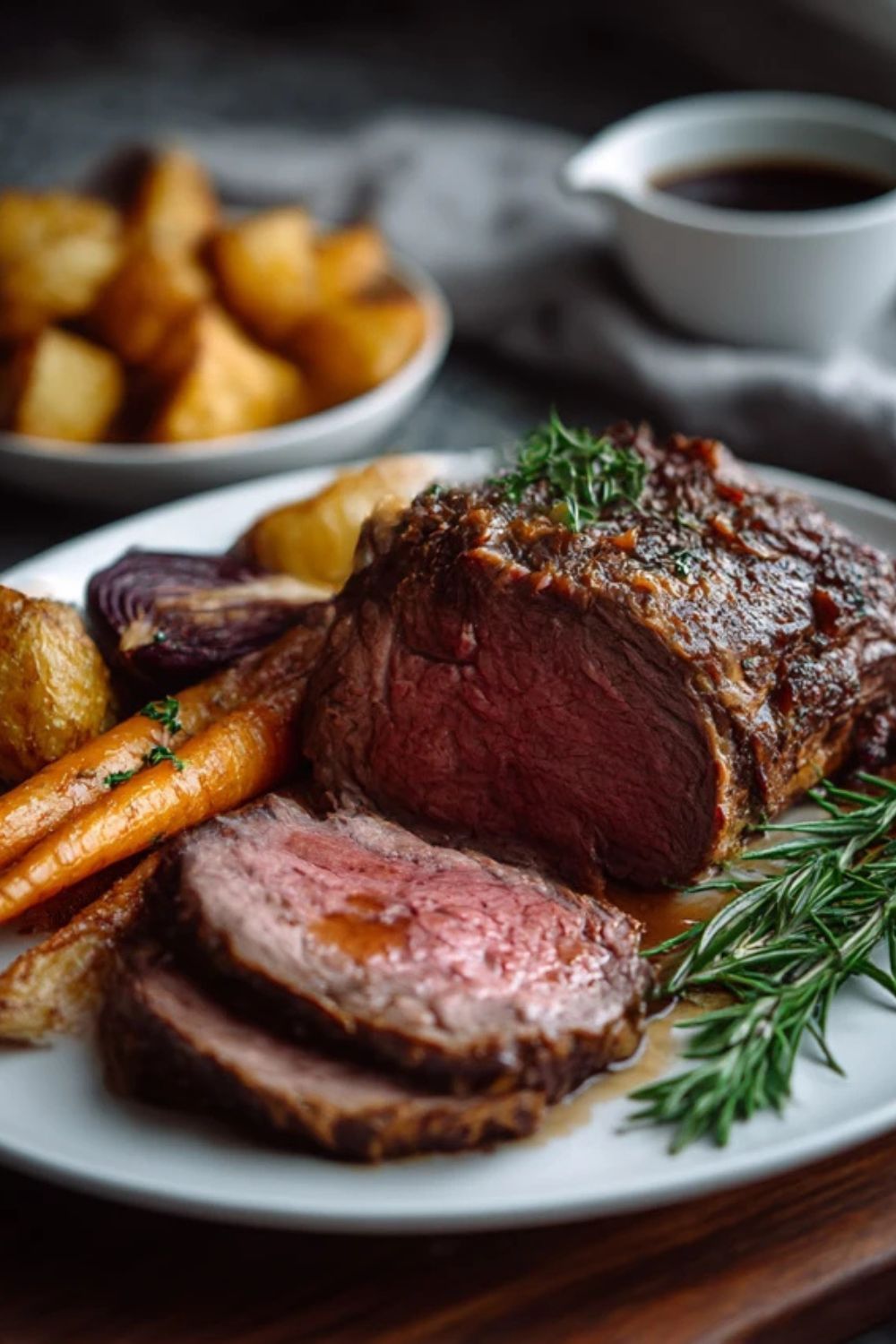
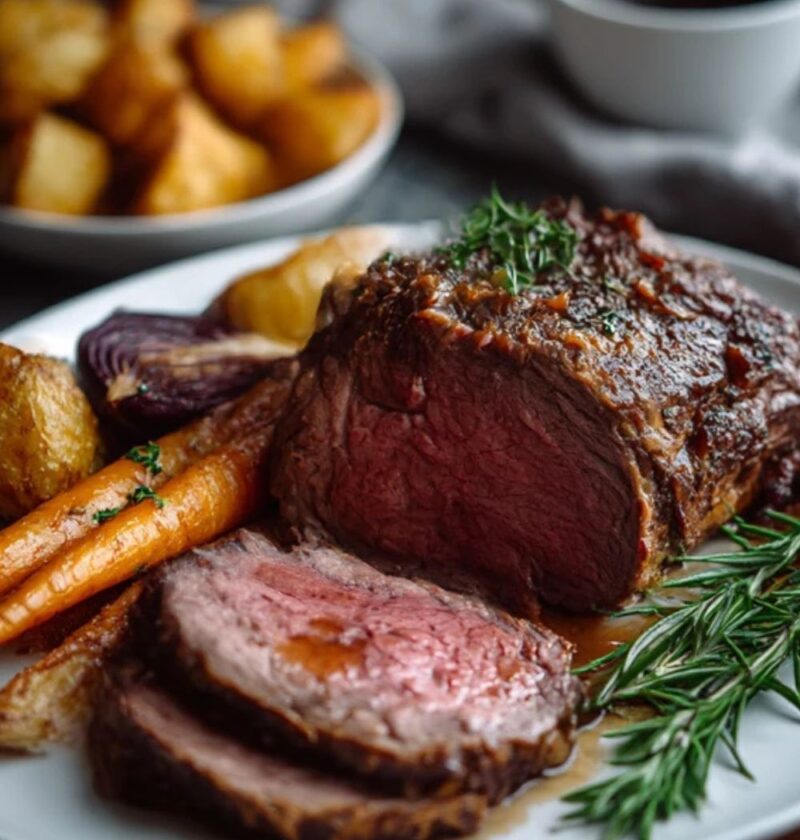
These times assume you sear the joint first in a hot pan for about 5 minutes until a deep brown crust forms on all sides. Then roast at 180°C (350°F) fan, or 200°C (400°F) conventional. My Sunday roast recipe uses this method and takes about 1 hour 45 minutes for a standard joint.
| Doneness | Time per 500g at 180°C fan | Pull at temp | After resting |
|---|---|---|---|
| Rare | 20 min per 500g + 20 min | 48°C / 118°F | 54°C / 130°F |
| Medium | 25 min per 500g + 25 min | 57°C / 135°F | 63°C / 145°F |
| Well Done | 30 min per 500g + 30 min | 68°C / 155°F | 74°C / 165°F |
Always rest a beef joint for 20 to 30 minutes before carving. Cover loosely with foil. The temperature rises 5 to 8°C during this time. For a slower, hands-off method, my slow cooker roast beef cooks chuck roast on low for 8 to 10 hours until the meat falls apart with a fork.
Steak Cooking Times (Pan-Seared)
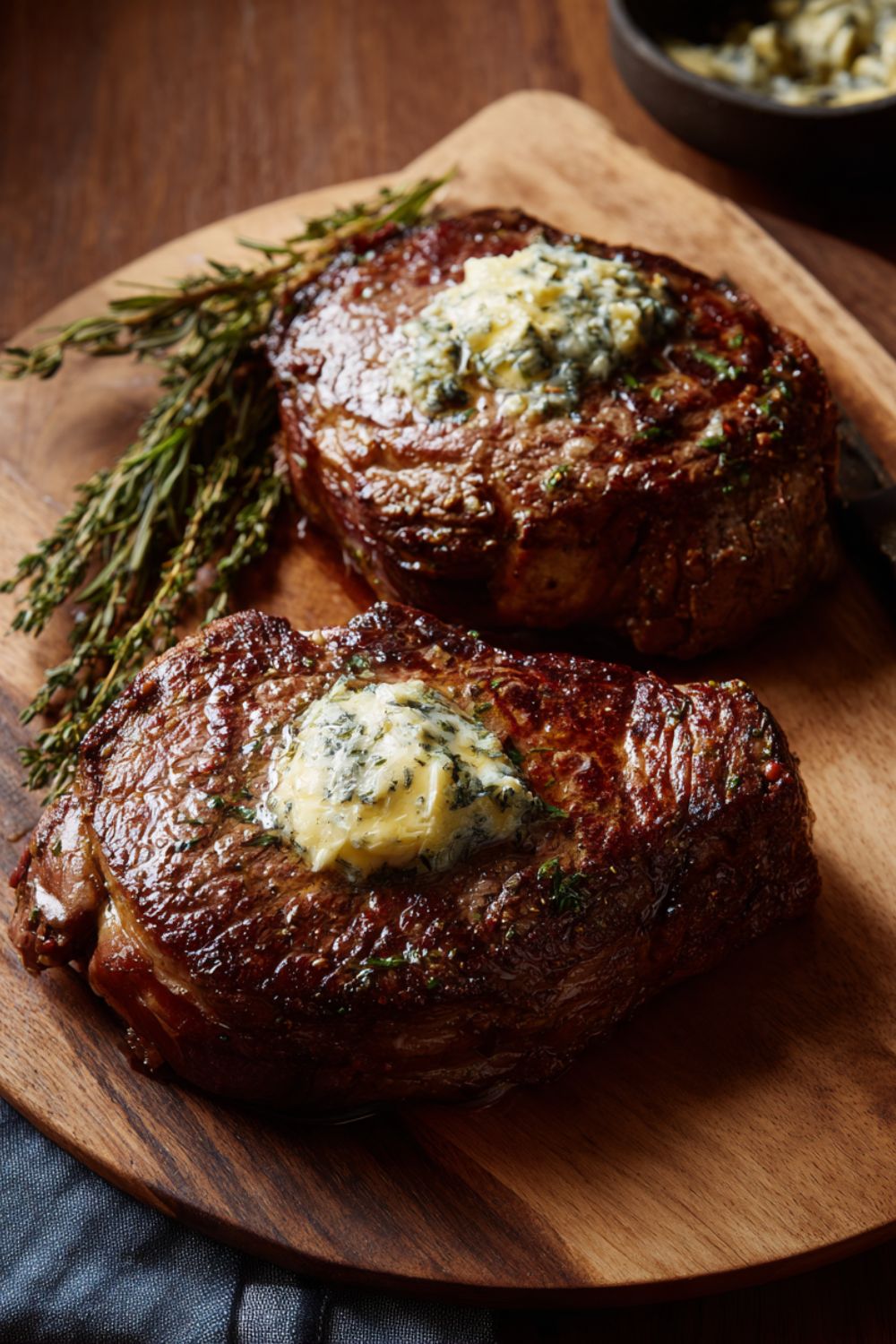
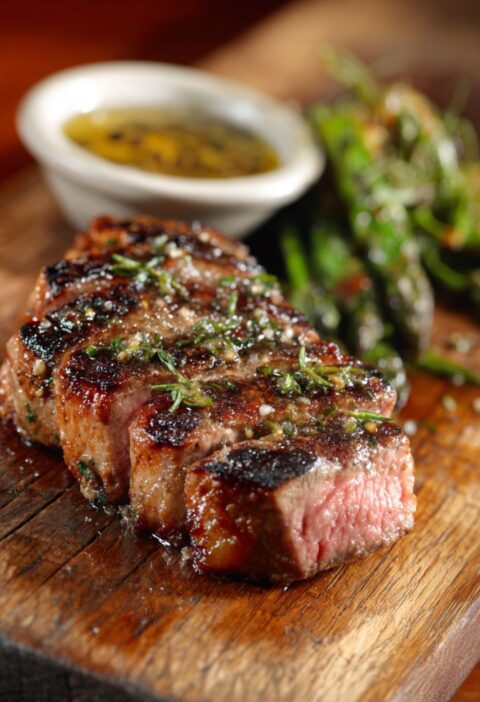
Steak timing depends on thickness, not weight. These times assume a screaming-hot cast iron pan with oil, searing undisturbed then flipping once. My cast iron steak recipe takes under 10 minutes total including butter basting.
| Thickness | Rare | Medium-Rare | Medium | Well Done |
|---|---|---|---|---|
| 2cm (¾ inch) | 1.5 min per side | 2 min per side | 2.5 min per side | 3.5 min per side |
| 2.5cm (1 inch) | 2 min per side | 3 min per side | 3.5 min per side | 4.5 min per side |
| 4cm (1.5 inch) | 3 min per side | 4 min per side | 5 min per side | 6 min per side |
Add 60 seconds of butter basting at the end. Rest for 5 minutes. For thick cuts (4cm+), use the reverse sear: oven at 120°C until 50°C internal, then sear 45 seconds per side. My complete steak guide covers every method. For a quicker alternative, my air fryer steak takes 15 minutes at 200°C and produces surprisingly good results with garlic herb butter.
Pork Roasting Times
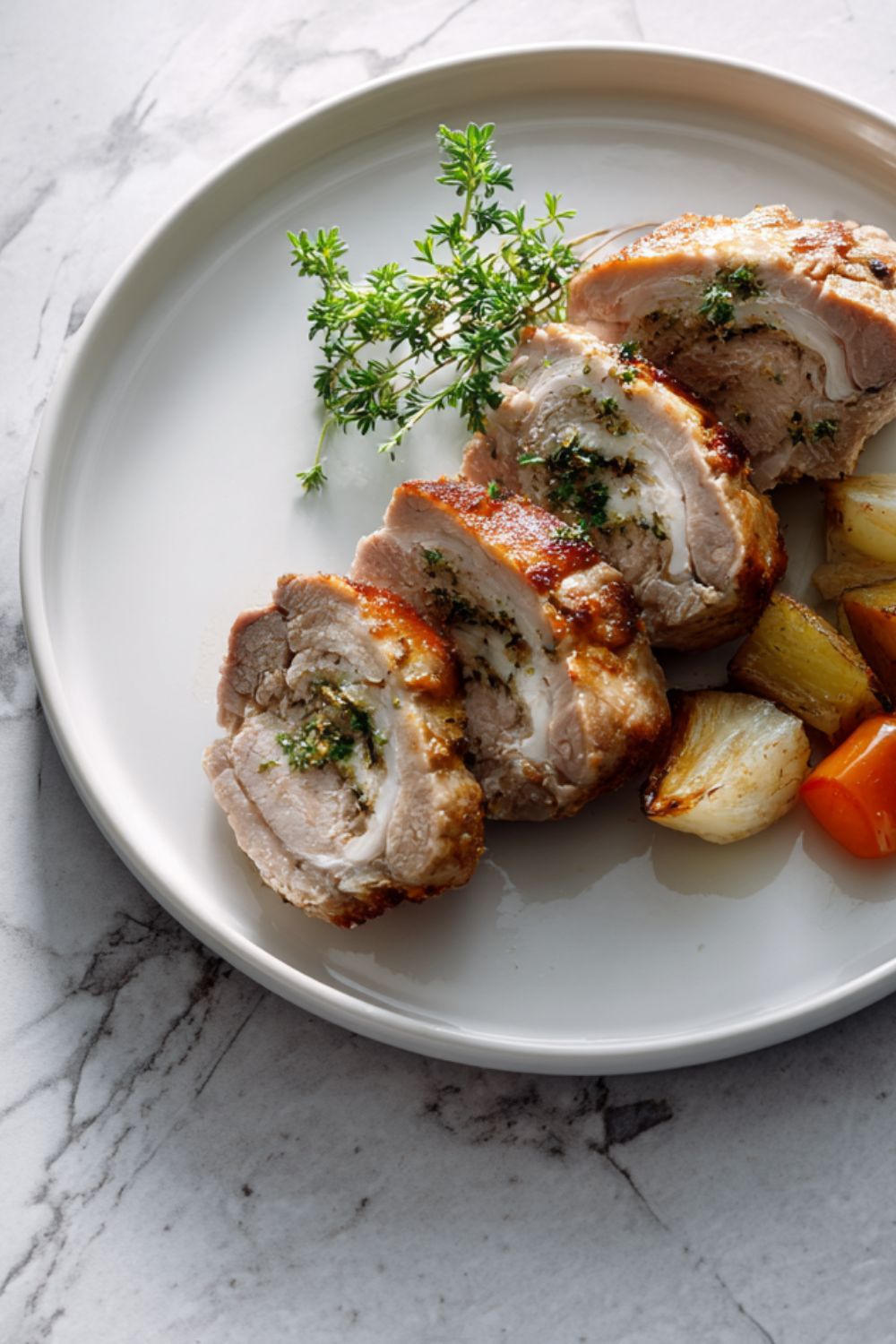
Pork needs to be cooked through but not dried out. The UK FSA recommends 71°C (160°F) internal temperature. Start at high heat for crackling, then reduce. My roast pork loin recipe starts at high heat for 20 to 25 minutes to start the crackling, then finishes at a lower temperature for 50 to 60 minutes until the internal temperature reaches 68°C.
| Cut | Oven temp | Time | Internal temp |
|---|---|---|---|
| Pork loin (bone-in) | 220°C then 180°C | 20 min + 35 min per 500g | 68-71°C / 155-160°F |
| Pork tenderloin | 200°C | 20-25 min total | 63-68°C / 145-155°F |
| Pork belly | 220°C then 160°C | 30 min + 40 min per 500g | 71°C+ / 160°F+ |
| Pork shoulder (pulled) | 150°C | 5-6 hours (2-3kg) | 88-93°C / 190-200°F |
Rest pork joints for 15 to 20 minutes before carving. For crackling: score the skin deeply, rub with oil and salt, and make sure the skin is completely dry before it goes in the oven. Wet skin does not crackle.
Chicken Cooking Times
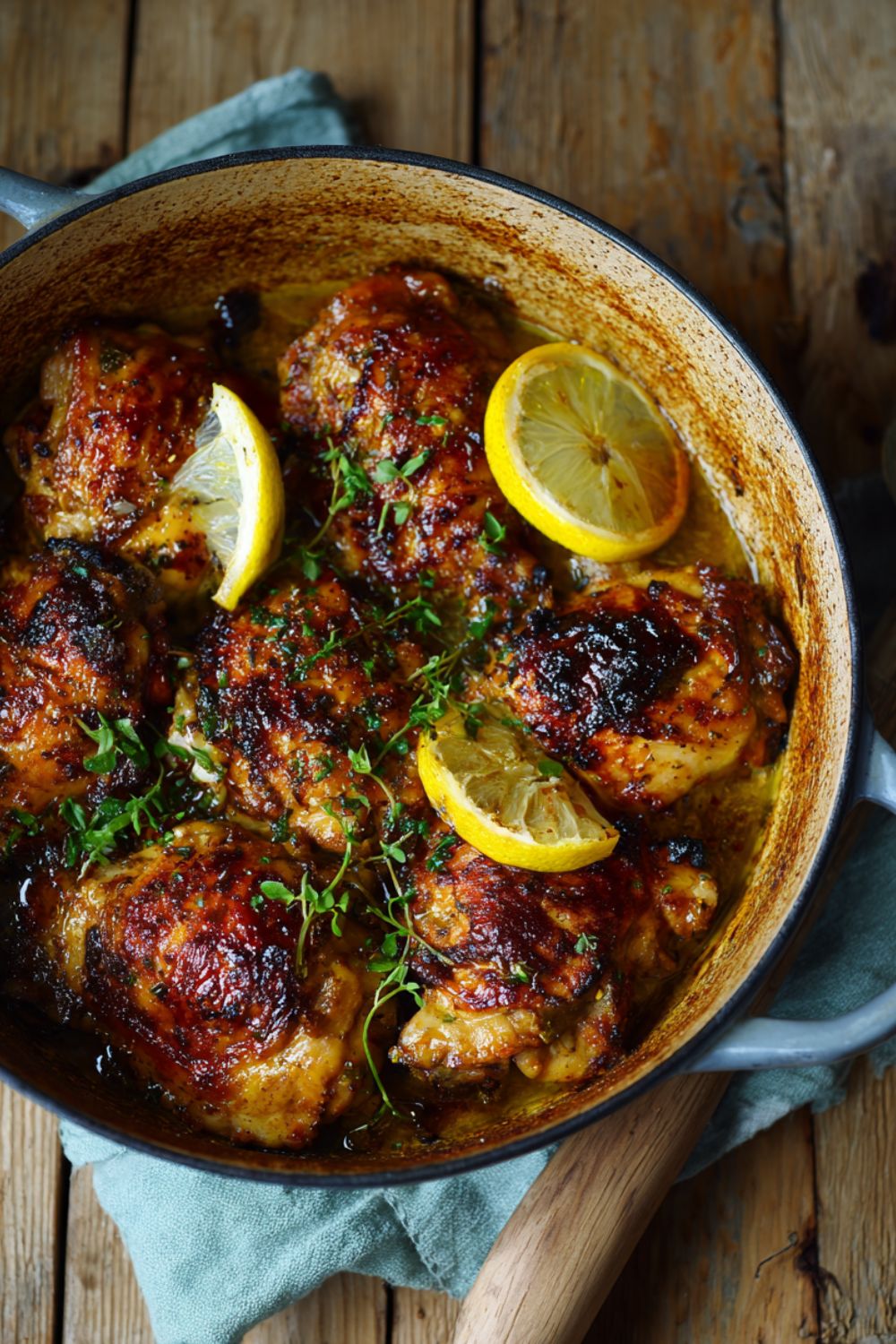
All chicken must reach 74°C (165°F) at the thickest part. No pink, no exceptions. My sticky lemon chicken cooks thighs in a pan for about 45 minutes total: 10 minutes searing skin-side down until golden, then finishing in the oven with a citrus glaze.
| Cut | Method | Time | Internal temp |
|---|---|---|---|
| Whole chicken (1.5-2kg) | Oven 200°C | 20 min per 500g + 20 min | 74°C / 165°F (thigh) |
| Chicken breast | Oven 200°C | 20-25 min | 74°C / 165°F |
| Chicken thighs | Pan then oven | 10 min pan + 25-30 min oven | 74°C / 165°F |
| Chicken drumsticks | Oven 200°C | 35-45 min | 74°C / 165°F |
| Spatchcock chicken | Oven 220°C | 45-55 min | 74°C / 165°F |
Always check temperature in the thickest part of the thigh, not the breast. The breast cooks faster, so if the thigh is done, everything is done. Rest whole birds for 15 minutes before carving.
Lamb Roasting Times
Lamb can be served pink, like beef. The times below assume roasting at 180°C (350°F) fan after an initial sear.
| Doneness | Time per 500g at 180°C fan | Pull at temp |
|---|---|---|
| Pink (medium-rare) | 20 min per 500g + 20 min | 54°C / 130°F |
| Medium | 25 min per 500g + 25 min | 60°C / 140°F |
| Well Done | 30 min per 500g + 30 min | 71°C / 160°F |
| Slow-roast shoulder | 4-5 hours at 150°C | 88°C+ / 190°F+ |
Lamb shoulder is best slow-roasted until it falls off the bone. This takes 4 to 5 hours at 150°C for a 2kg joint. Leg of lamb is better roasted quicker for a pink centre. Rest for 20 minutes. My Irish lamb stew takes a different approach entirely, braising tougher cuts in liquid for hours.
Fish Cooking Times
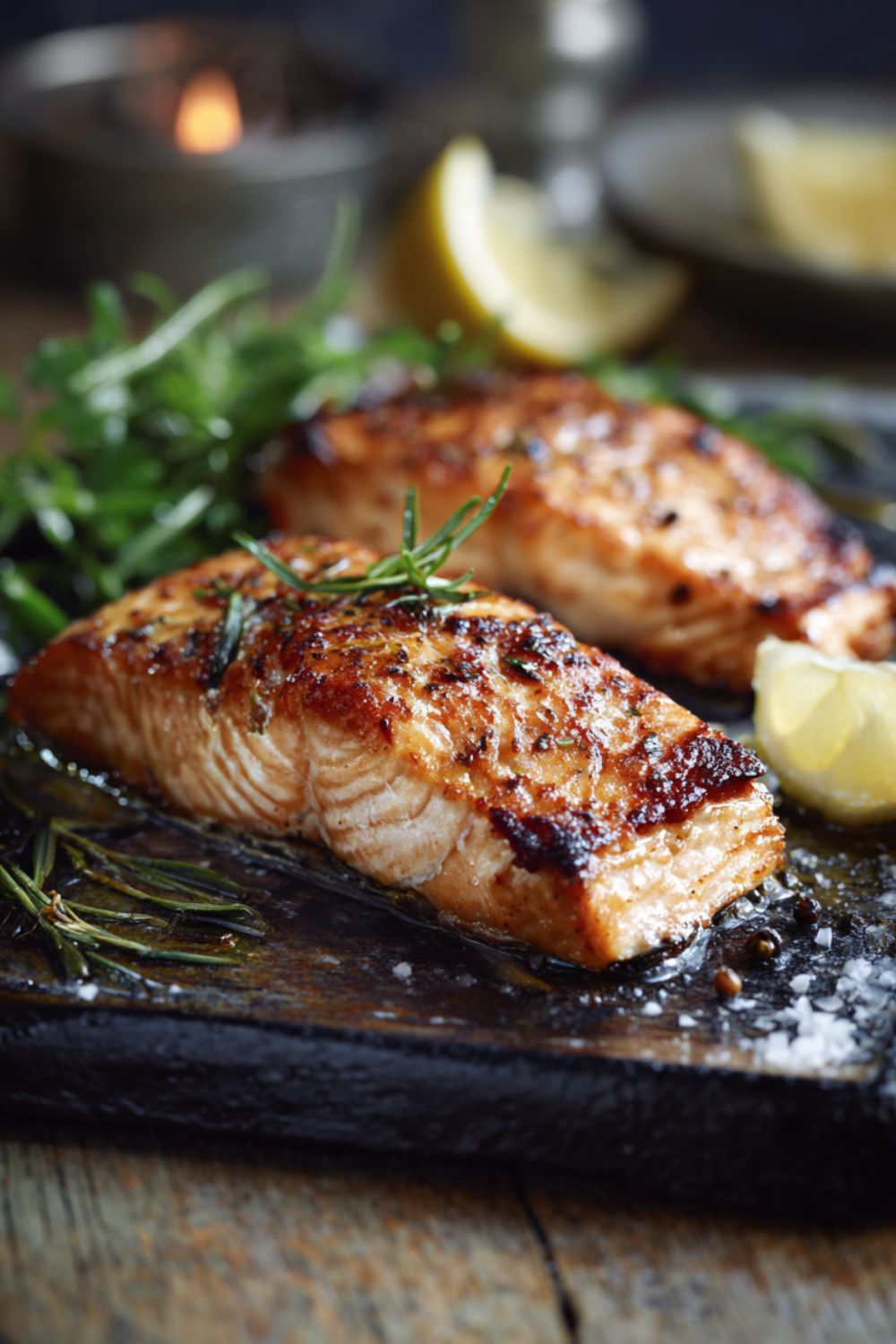
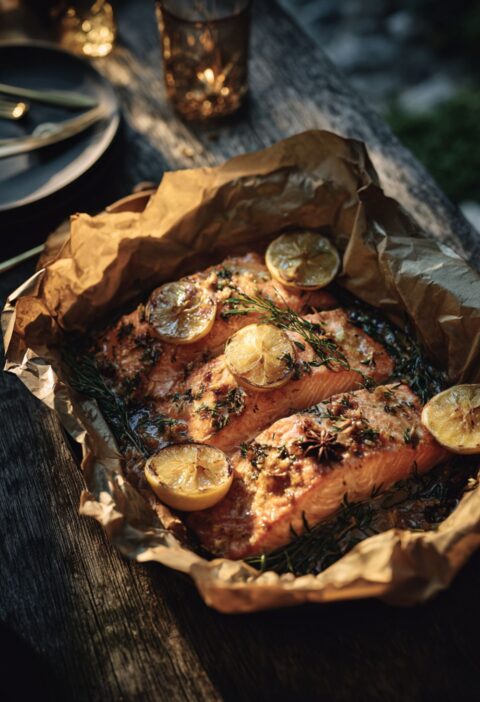
Fish cooks fast and overcooks even faster. My pan-fried salmon recipe cooks skin-side down for 4 to 5 minutes undisturbed until the skin is golden and crispy, then flips for just 1 to 2 minutes with butter basting. Total cooking time is under 7 minutes.
| Fish | Method | Time | Internal temp |
|---|---|---|---|
| Salmon fillet (pan) | Medium-high heat | 4-5 min skin side + 1-2 min | 52-57°C / 125-135°F |
| Salmon fillet (oven) | 200°C | 12-15 min | 52-57°C / 125-135°F |
| Sea bass fillet (pan) | Medium-high heat | 3-4 min skin side + 1 min | 63°C / 145°F |
| Cod fillet (oven) | 200°C | 12-15 min | 63°C / 145°F |
| Halibut (pan) | Medium-high heat | 3-4 min per side | 63°C / 145°F |
| Whole fish (oven) | 200°C | 20-25 min per 500g | 63°C / 145°F |
The key with fish is to take it out of the fridge 10 minutes before cooking and pat the skin completely dry. Wet skin sticks to the pan. Do not flip the fish until the skin releases naturally. If it sticks, it is not ready.
Quick Reference: Pan-Searing Times
For quick-cooking cuts in a hot pan (not roasting), these are the approximate times from start to rest.
| Protein | Total cooking time | Rest time |
|---|---|---|
| Steak (2.5cm) | 6-8 min + 1 min basting | 5 min |
| Chicken breast (pan to oven) | 5 min pan + 15 min oven | 5 min |
| Salmon fillet | 5-7 min | None needed |
| Scallops | 2 min per side | None |
| Pork chop (2.5cm) | 4-5 min per side | 5 min |
| Lamb chop | 3-4 min per side | 5 min |
| Duck breast | 6-8 min skin side + 2 min | 5-10 min |
FAQs
How do I calculate roasting time for a joint?
Weigh the joint, then use the time-per-500g formula from the tables above. Add the extra base time. For example, a 1.5kg beef joint at medium: 25 min x 3 (because 1500g = 3 x 500g) + 25 min = 100 minutes at 180°C, plus 20 to 30 minutes resting.
Should I trust cooking times or temperature?
Temperature. Always. Cooking times are estimates based on average ovens and average starting temperatures. Your oven might run hot or cold. The meat might be colder from the fridge. A thermometer gives you the actual answer. My meat temperature guide covers the exact pull temperatures for every protein.
Why is my oven cooking faster or slower than the times suggest?
Most home ovens are inaccurate by 10 to 25°C. Buy a standalone oven thermometer (under £10), place it in the centre of the oven, and compare the reading to your dial setting. Adjust accordingly. Fan ovens also cook about 20°C hotter than conventional ovens at the same dial setting.
Do cooking times change for frozen meat?
Yes. Frozen meat takes roughly 50% longer to cook than thawed meat. It is always better to thaw meat fully in the fridge before cooking for more even results. The exception is steak: some tests show cooking from frozen using the reverse sear method actually produces less moisture loss.