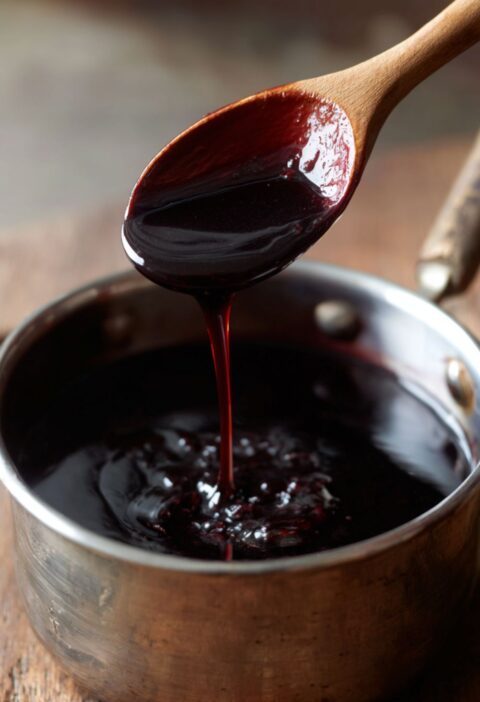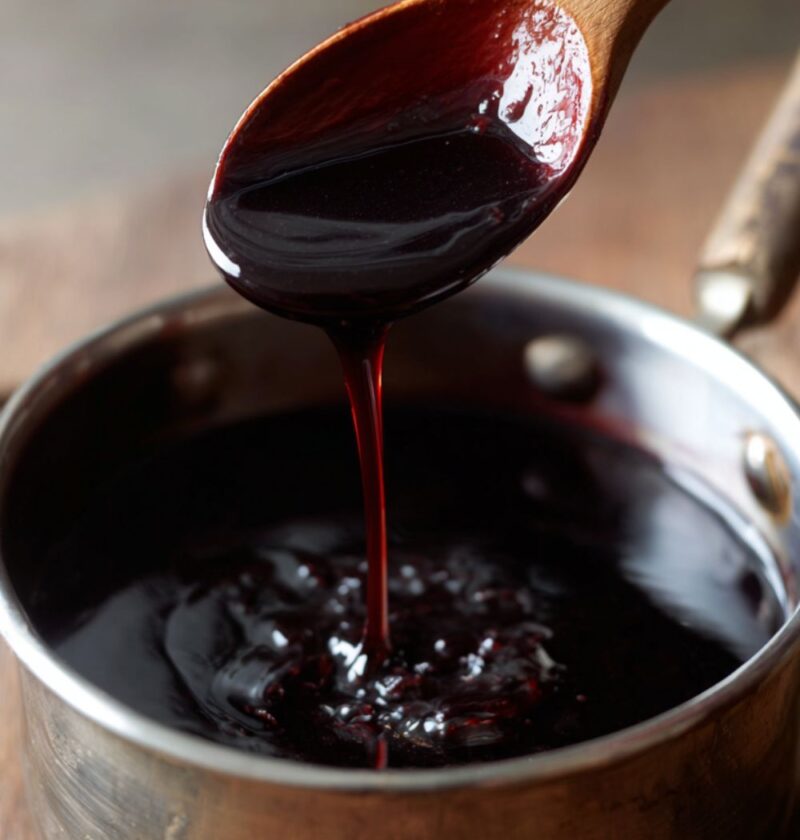
Bordelaise sauce is a classic French sauce made by reducing red wine with shallots, peppercorns, thyme, and bay leaves, then finishing with demi-glace or concentrated beef stock and a knob of cold butter. It is named after the Bordeaux region of France. The result is a dark, glossy sauce that coats the back of a spoon and pairs naturally with grilled or roasted beef.
I first came across bordelaise when Gordon Ramsay served it alongside a pan-seared fillet on one of his shows. It looked complicated, but it is really just a red wine reduction with stock. If you can make a red wine jus, you can make bordelaise. The only difference is the addition of demi-glace and traditionally, bone marrow.
How Bordelaise Differs From Red Wine Jus
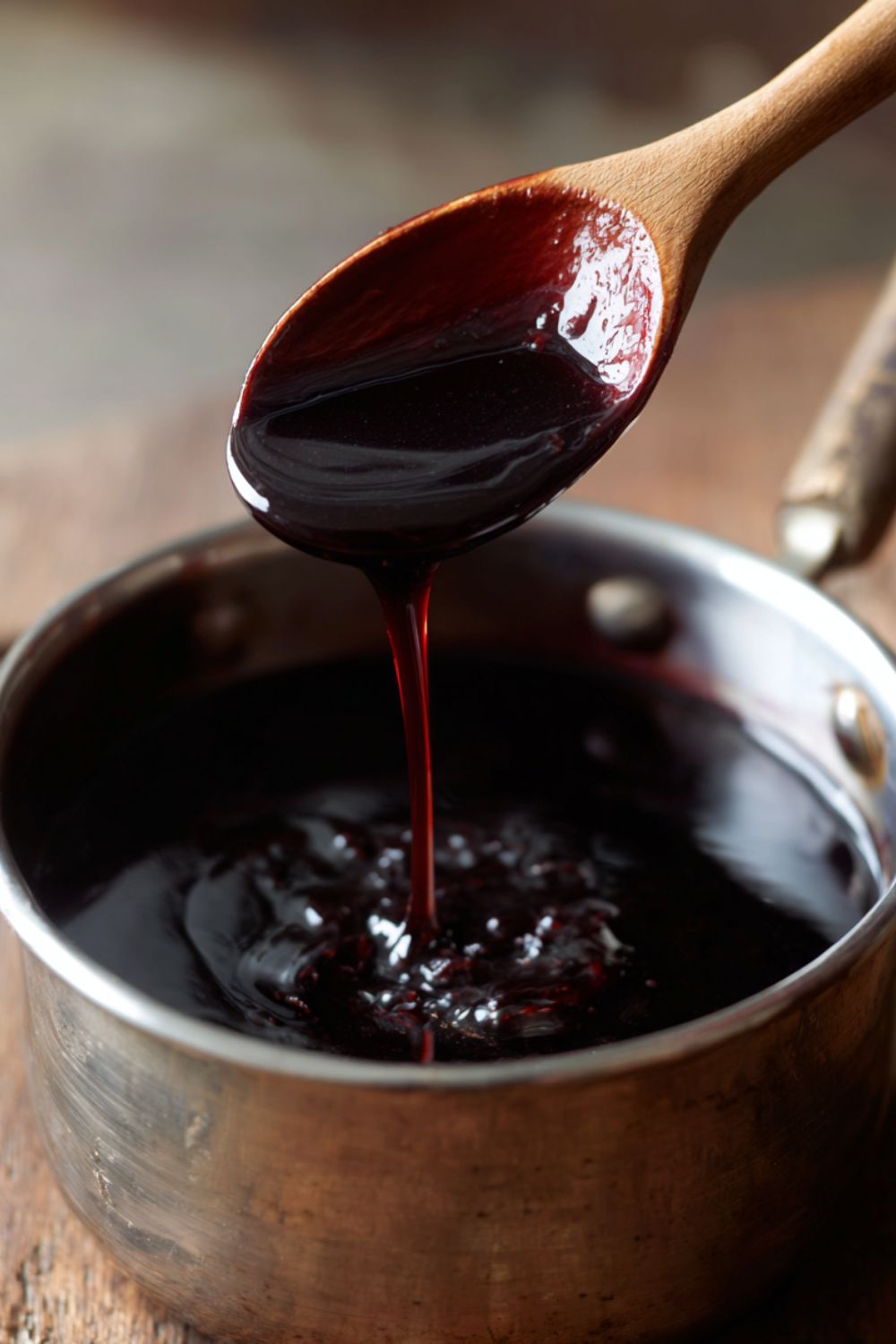
A red wine jus is lighter. It reduces wine and stock without demi-glace, producing a thinner, sharper sauce. Bordelaise is richer because demi-glace adds body and depth. Both start the same way: deglazing shallots with wine. The split happens when you add the stock base.
If you do not have demi-glace, you can make a simplified version by reducing good beef stock until it thickens to a syrupy consistency, then adding it to the wine reduction. My sauces guide covers the full technique for building pan sauces from scratch.
What to Serve Bordelaise With
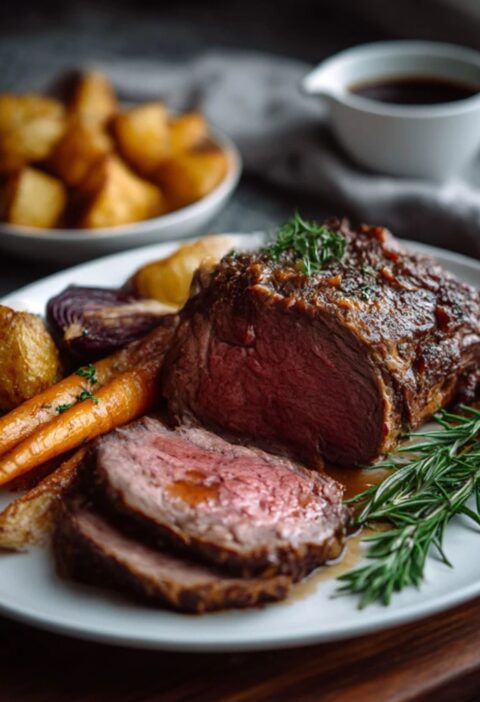
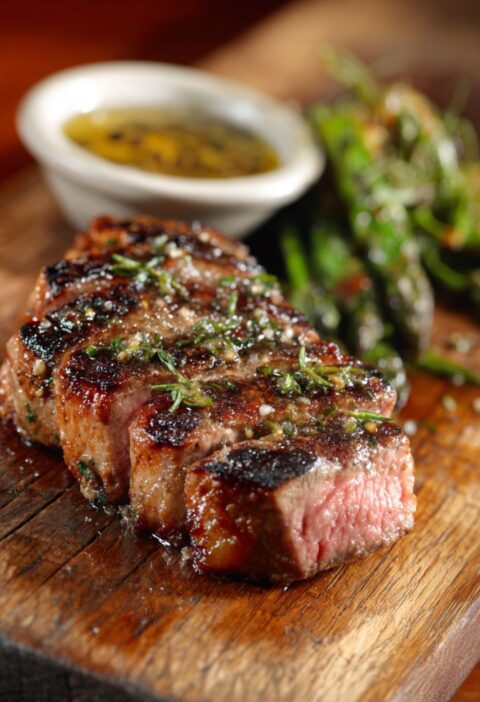
Bordelaise is traditionally served with grilled or pan-seared beef, especially fillet and sirloin. The wine and beef stock base means it pairs naturally with any red meat. It also works well with duck breast and roasted lamb.
For a complete steak dinner with bordelaise, serve it alongside fondant potatoes and green beans with mustard dressing. My side dishes guide has the full pairing table.
Key Tips
Use a wine you would drink. Cheap wine concentrates its flaws when reduced. A decent Cabernet Sauvignon or Merlot works well. The butter must be cold and whisked in at the very end off the heat. This creates the glossy emulsion that gives bordelaise its signature look. If you add butter to boiling sauce, it splits.
The sauce keeps in the fridge for up to 3 days. Reheat gently over low heat, whisking constantly. Do not boil it or the emulsion breaks. For more sauce pairings with steak, my steak guide has a dedicated section on which sauce works with which cut.